- RegenCircle Newscast
- Posts
- The RegenCircle: In The News | 10.16
The RegenCircle: In The News | 10.16
Alec's Ice Cream Secures $11 Million to Scale Regenerative Dairy Dreams, Farmers Left in Limbo as Government Shutdown Delays Aid, AI-Powered Irrigation Could Transform Water Management from Cloud to Soil, California enacts landmark law to prohibit several harmful chemicals from school means.
This Week’s Investment News
Cairnspring Mills: Regenerative Flour is the Next Craft Revolution
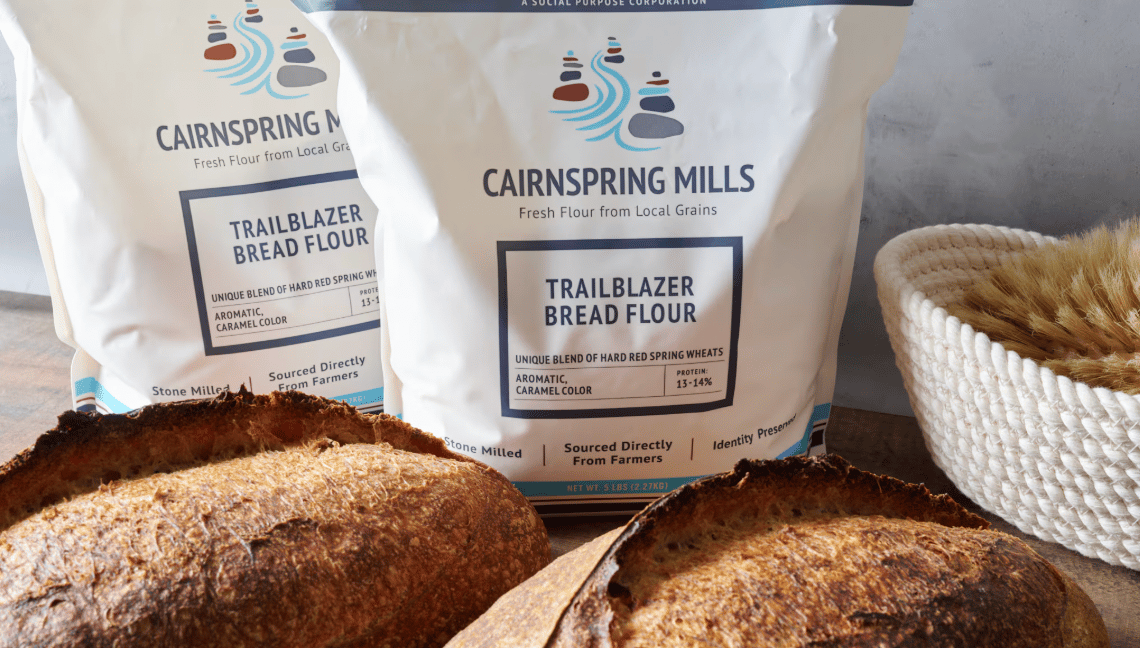
Photo Credit: Food Navigator
Cairnspring Mills is positioning itself as the Blue Bottle of flour, building a "craft flour" movement around stone-milled, regeneratively grown wheat that preserves the nutrition and flavor stripped away by industrial milling while paying farmers above commodity prices. The Washington-based company has operated at maximum capacity for two years despite premium pricing, and just raised over $1 million in under a month while securing a $5 million equity investment from the Confederated Tribes of the Umatilla Indian Reservation to open the Blue Mountain Mill—a facility that will be 12 times larger yet still represent just two weeks' production for a conventional industrial mill. By sourcing identity-preserved grains directly from regenerative farmers and milling them fresh using thousand-year-old stone milling techniques wrapped in modern technology, Cairnspring delivers European-style flours with bran and germ intact, creating distinctly different dough textures, aromas, and nutritional profiles that may even address some gluten sensitivities linked to enrichments in conventional flour. This isn't just about premium products—it's about creating a regenerative model that spans environmental sustainability, living wages for employees with stock options and health insurance, and farmer support programs that build resilient rural economies centered on soil health and community well-being.
CANZA Commits $7 Million to Launch Canada's Million Acre Challenge

Photo Credit: New Tech Foods
CANZA (Canadian Alliance for Net-Zero Agri-food) has launched the Million Acre Challenge with a catalytic $7 million contribution from the Weston family—part of their broader $50 million commitment to regenerative agriculture in Canada—aiming to scale economically viable and environmentally sustainable farming practices across the country. Designed directly with farmers to reduce transition risks, the initiative offers targeted cost-sharing incentives to derisk regenerative practice adoption, agronomic support, and access to a user-friendly online portal aggregating public and private incentive programs. Beginning in Southwestern Ontario's cornbelt with the first two cohorts, the program will help participating farms implement tailored regenerative practices across supply chains including beef, corn, wheat, and other livestock, with plans to expand nationally and scale exponentially through 2030 and beyond. As Galen Weston, Chairman of Loblaw Companies, emphasized, "Farmers are core to Canadian prosperity, and our national resilience requires sustainable practices that create value across the agricultural supply chain"—a recognition that rewarding farmers for the climate, nature, and community value they create is essential for a thriving agricultural future.
Alec's Ice Cream Secures $11 Million to Scale Regenerative Dairy Dreams

Photo Credit: Forbes
Alec's Ice Cream has closed an oversubscribed $11 million Series A funding round led by Imaginary Ventures to scale its regenerative organic A2 dairy ice cream business nationwide, riding the explosive success of its Culture Cup single-serve probiotic line that completely changed the brand's trajectory after launching in early 2025. The company sources exclusively from regenerative organic farms using grass-fed A2 dairy—the original milk protein that's easier to digest—with four farms already achieving Verified Regenerative status through Land to Market's soil data verification, ensuring consumer dollars directly support sustainable cattle grazing practices. What sets this story apart is how Alec Jaffe essentially created his own supply chain when he couldn't find farms meeting his standards, encouraging conventional farmers to transition to regenerative practices and then purchasing their dairy—proving that building mission-driven brands at scale while strengthening supply chains is possible. Now available in 3,000 retail locations including Whole Foods Market, Wegmans, and Target, with sales on track to double year-over-year, Alec's demonstrates that removing the trade-off between indulgence and health can win over consumers while helping transition dairy farms to become net positive contributors to ecosystem health
Earth Sciences
InSoil Partners with Anew Climate for Lithuanian Soil Carbon Credits
Photo Credit: InSoil
European regenerative agriculture company InSoil has inked a four-year deal with Anew Climate to exclusively market over 500,000 independently verified soil carbon removal credits from Lithuanian farms implementing practices like cover cropping and conservation tillage. With an impressive average sequestration rate of 2.27 tonnes of CO₂ equivalent per hectare per year across nearly 20,000 hectares—verified by SCS Global Services under Verra's rigorous VCS VM0042 standard—this partnership demonstrates that Europe's farmers can be climate solution powerhouses while building resilient food systems. The first deliveries are expected by late 2025 or early 2026, with a portion of credits already pre-sold, channeling immediate financial rewards to participating farmers and setting a precedent for how carbon markets can directly support agricultural transitions. InSoil plans to expand this carbon farming model to Poland and Ukraine, positioning Central and Eastern European agriculture as a cornerstone of the continent's net-zero ambitions
Earthworm Excretions Transform Nutrient Cycling in Soils

Photo Credit: Revival Gardening
A groundbreaking study in Functional Ecology reveals how earthworms act as "ecosystem engineers," transforming soil health through their remarkable digestive processes and excretions that fundamentally reshape nutrient availability and microbial communities. These invertebrates process between 2 and 250 tons of soil per hectare annually—with some species passing up to 30 times their body weight through their guts daily—essentially creating the fertile substrate we call soil by amalgamating mineral particles with organic waste through mucus-rich castings. Earthworm feces, or castings, contain elevated levels of ammonium-nitrogen and partially digested organic matter that serve as hotspots for microbial activity, featuring higher populations of fungi, bacteria, and actinomycetes alongside enhanced enzymatic activity compared to bulk soil. This research underscores a critical message for regenerative agriculture: healthy earthworm populations are indicators of—and contributors to—thriving soil ecosystems that accelerate decomposition, enhance nutrient cycling, improve water infiltration, and ultimately support climate-resilient farming systems.
Political + Policy News
 Photo Credit: Politico Farmers Left in Limbo as Government Shutdown Delays AidThe Trump administration's promised farm bailout—intended to deliver "substantial support" to farmers battered by tariff uncertainty and economic headwinds—has been delayed indefinitely due to the government shutdown, leaving agricultural producers in limbo during the critical harvest season. Treasury Secretary Scott Bessent had teased a Tuesday announcement of significant aid, with the Office of Management and Budget readying between $12-13 billion from USDA's Commodity Credit Corporation, but USDA political appointees remain furloughed, payments and loan services are suspended, and no timeline exists for when relief will materialize. Farmers are facing a perfect storm: Chinese imports of U.S. soybeans have plummeted from $12.6 billion last year to virtually zero due to retaliatory tariffs, production expenses per farm have surged nearly 40% since 2020, and Chapter 12 bankruptcy filings increased 56% in the year ending June 2025. As one farmer advocacy leader described it, the proposed $10-14 billion aid package is like "putting a band-aid on an arterial wound"—farmers continue bleeding economically, with the American Soybean Association estimating losses of $109 per acre this fall, and real relief will only come "by eliminating the tariffs" rather than temporary bailouts |  Photo Credit: Yahoo What Happens to School Lunches in the MAHA Era?Despite Robert F. Kennedy Jr.'s vocal criticism of "toxic" school lunches and promises of "major, dramatic changes" to nutrition guidelines as Health and Human Services Secretary, the Trump Administration's actual policies are gutting the programs that deliver healthy food to children. In March, USDA unexpectedly cut $1 billion in Biden-era funding that helped food banks, schools, and childcare facilities purchase fresh produce from local farms, while the "Big Beautiful Bill" plans massive SNAP reductions that will result in fewer children qualifying for free breakfast and lunch at school and fewer schools able to sustain universal free meal programs. Research shows that school meals—despite heavy reliance on ultra-processed foods—provide nutrition on par with or better than home lunches, with children who eat school breakfast daily consuming modestly more fruits, vegetables, dairy, whole grains, and key nutrients than those who don't, yet RFK Jr.'s rhetoric stigmatizes these meals without addressing systemic solutions. The contradiction is stark: MAHA's stated commitment to improving child nutrition conflicts directly with an administration fundamentally resistant to regulation and government programs, leaving nutrition experts frustrated as they watch policies that could genuinely benefit children—like longer lunch periods, farm-to-school initiatives, and better cafeteria infrastructure—get defunded in favor of empty promises |
REPORTS WORTH READING
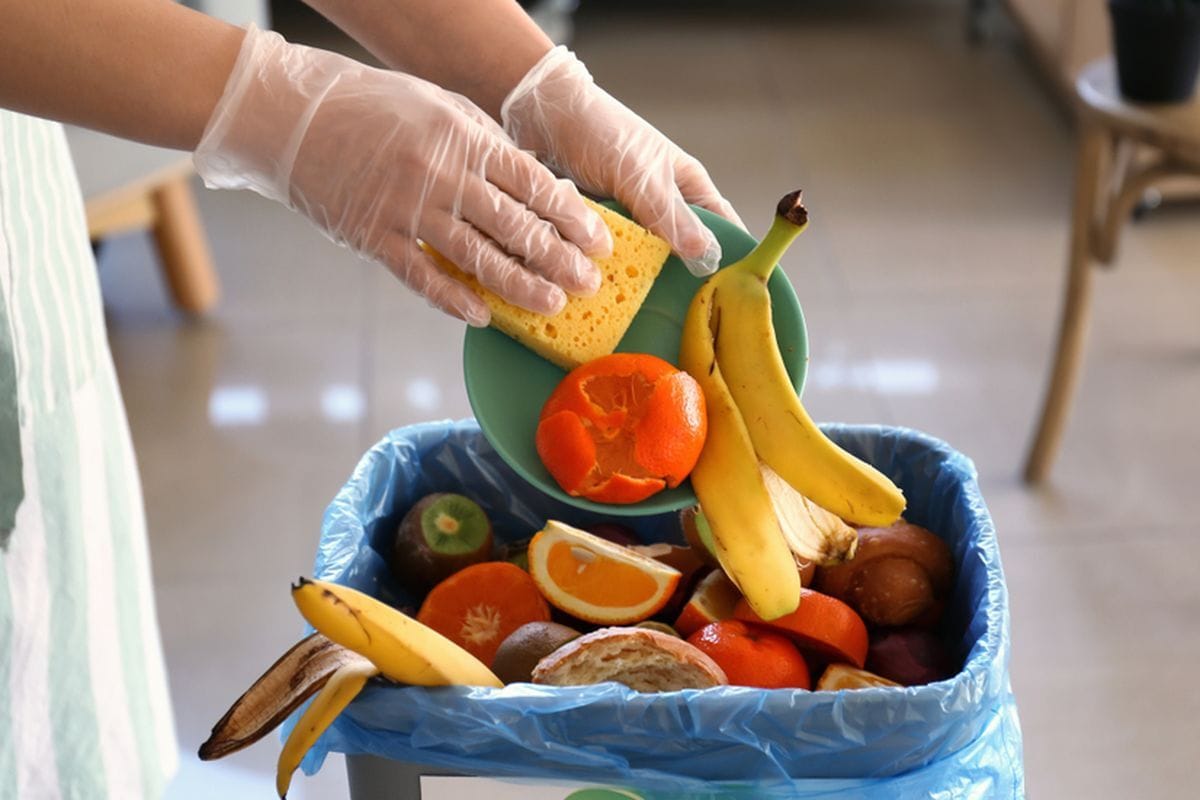
Photo Credit: Lestari
Food Loss and Waste Prevention: Complex Environmental Trade-offs Revealed
A comprehensive study published in the Journal of Cleaner Production examining six food loss and waste prevention scenarios reveals that decision-makers face significant complexity when choosing solutions, as different prevention strategies create contradictory environmental outcomes—improving some impact categories while worsening others. Using life cycle assessment methodology aligned with the Environmental Footprint approach, researchers evaluated solutions ranging from surplus food redistribution to consumer awareness campaigns and technological innovations like juice and jam production from food waste, finding that innovative governance solutions and redistribution yield the most positive results, avoiding nearly 10% of climate change impacts. The study demonstrates that food loss and waste prevention at the point of generation—rather than downstream management—offers the greatest environmental benefits, with primary production generating the most impacts but requiring a holistic perspective to identify truly effective prevention opportunities. By incorporating stakeholder preferences from decision-makers, experts, and business students, the research highlights that while perceptions differ across impact categories, an aggregated environmental indicator helps minimize trade-offs and select optimal solutions—though decision-makers must still grapple with which environmental aspects they're willing to sacrifice when perfect solutions don't exist.
Photo Credit: Free Range
Farmers Can't Farm for the Future If They Can't Survive the Present
The Regenerative Food Systems Investment Forum team offers us a sobering analysis confronts the central tension in regenerative agriculture: asking farmers to adopt long-term ecosystem-building practices while they struggle with immediate economic survival creates an impossible choice that threatens the entire sustainability transition. The piece argues that without addressing the financial instability plaguing agriculture—from volatile commodity prices and razor-thin margins to inadequate safety nets and mounting debt—expectations that farmers will shoulder the costs and risks of transitioning to regenerative systems are unrealistic and unfair. True agricultural transformation requires systemic changes including fair pricing mechanisms that reflect the real costs of sustainable production, accessible transition support that derisks adoption of new practices, and policy frameworks that reward farmers for ecosystem services rather than extractive commodity production. The fundamental message: regenerative agriculture can only scale when farmers have economic security in the present, making investment in farmer livelihoods not just a matter of social justice but a prerequisite for building the resilient food systems our future depends on
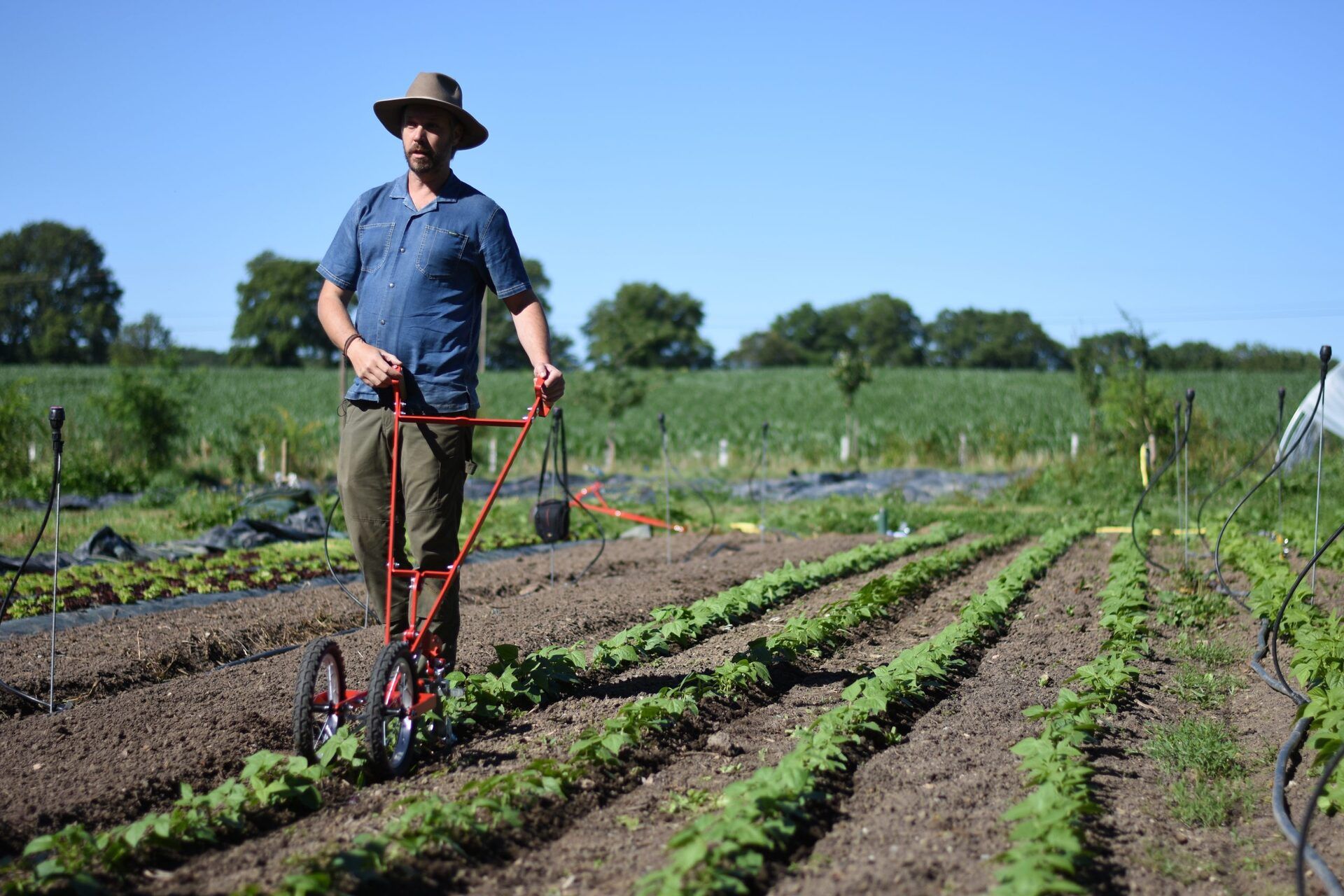
Photo Credit: The Market Gardener
AEA and Market Gardener Institute Partner for Regenerative Small-Scale Solutions
Advancing Eco Agriculture (AEA) and Market Gardener Institute (MGI) have announced a powerful collaboration aimed at bringing proven regenerative agriculture practices to market gardeners and small-scale growers worldwide, combining AEA's industry-leading products and protocols with MGI's trusted training programs. The partnership includes co-developed field trials focused on optimizing soil health and improving crop quality across market garden systems, designed to provide real-world insights that help small-scale growers implement regenerative practices with confidence while lowering barriers to entry. A new product line specifically tailored to market gardeners' unique needs is now available for pre-sale, with MGI students receiving exclusive discounts on AEA products to make effective regenerative tools more accessible. As MGI founder Jean-Martin Fortier emphasized, this collaboration represents a pivotal moment to "empower the next generation of small-scale organic growers with cutting-edge knowledge, tools, and science," recognizing that regional and local food production is absolutely critical for a food-secure future and that market gardeners deserve the same level of agronomic support as large-scale operations.
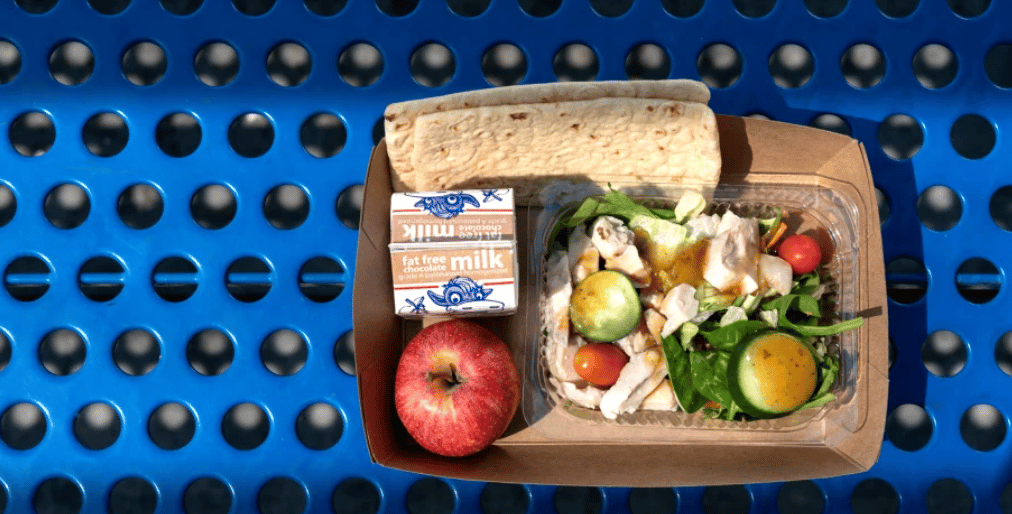
Image Credit: NBC News
California Enacts Landmark State Law to Protect School Kids From Harmful Ultra-Processed Food
California has enacted a landmark law—the first of its kind in the United States—banning several harmful chemicals commonly found in foods served in public schools, including artificial dyes, titanium dioxide, and preservatives linked to hyperactivity, hormone disruption, and other health risks. The law builds on momentum from the 2023 “Skittles Ban” (AB 418) by extending protections specifically to school meals, ensuring that foods served to children align more closely with modern scientific understanding of safety. This legislative step positions California as a national model, bridging nutrition and environmental health policy by setting clear standards for food manufacturers and school procurement programs. More broadly, the law reflects growing public pressure for transparency and safer ingredients in children’s diets, highlighting how grassroots advocacy and science-based organizations like EWG can drive systemic change from the cafeteria level upward.
HUMAN INTEREST STORIES
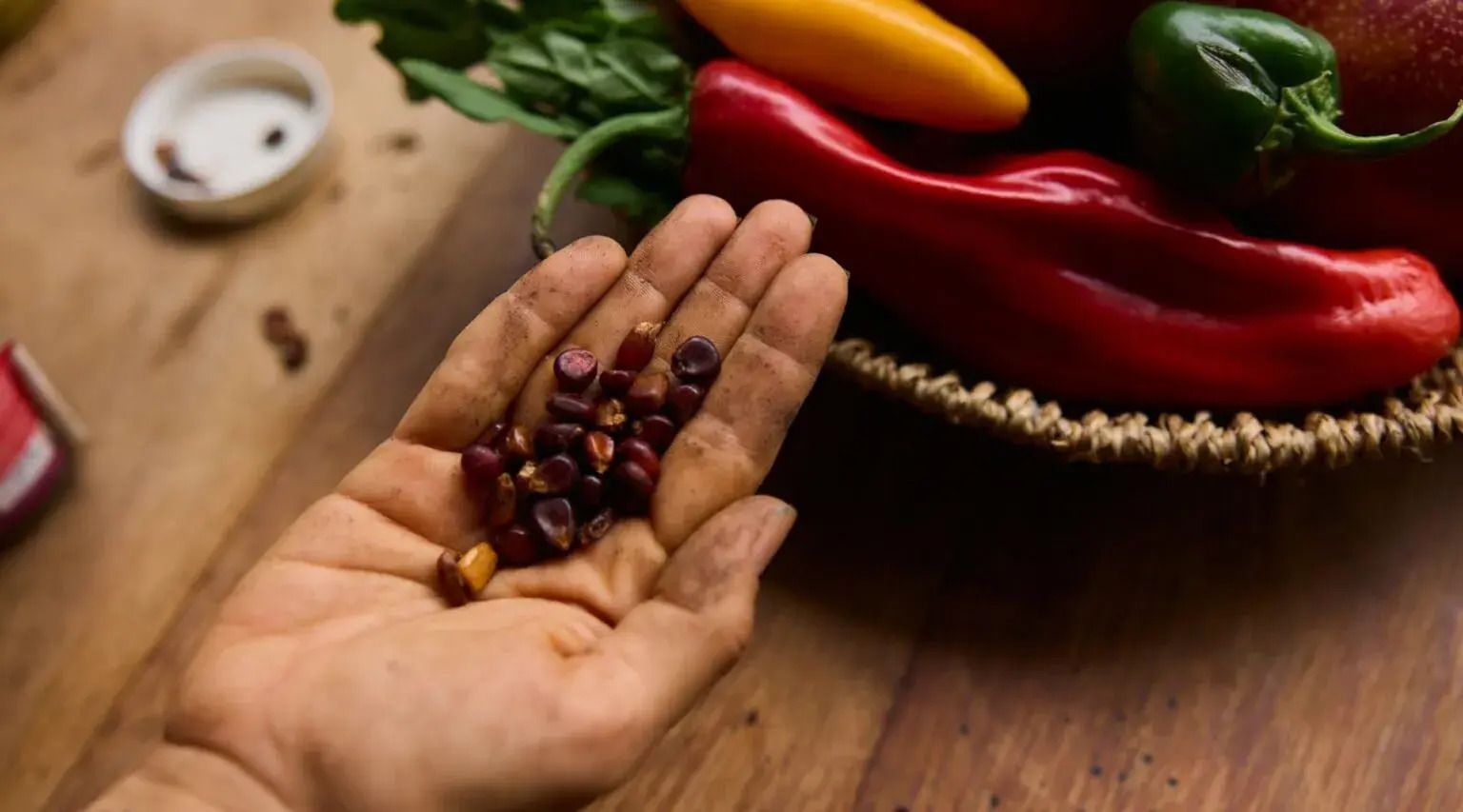
Photo Credit: Morning Ag Clips
Why Seed Banks Are the Silent Safeguards of Food Security
Seed banks are the unsung heroes backstopping our entire food system, quietly preserving the genetic diversity that enables crops to resist disease, tolerate drought, and recover from disasters—yet many operate on shoestring budgets with aging infrastructure that threatens humanity's agricultural future. Through the U.S. National Plant Germplasm System (NPGS) and its open-access GRIN database, these facilities store, regenerate, and distribute thousands of accessions to researchers, breeders, and growers worldwide, with disease-resistance traits from seeds collected as far back as the early 1900s taking 10 to 15 years to work their way into field-ready varieties. The stakes couldn't be higher: modern durum wheat lines grown across the Northern Plains carry Fusarium head blight resistance traced directly to an old landrace preserved in a USDA seed bank, demonstrating how investments in these collections today directly protect tomorrow's harvests. As international treaties like the Nagoya Protocol create new barriers to collecting genetic resources across borders, sustained funding for existing seed bank accessions becomes even more critical—making these repositories not just for scientists, but for every farmer who's ever needed "something different" after a failed season.

Photo Credit: Earthworm Foundation
Indigenous Land Stewardship Can Lead the Way in Planetary Healing
Indigenous communities, who have been "here and still here" for millennia, possess time-tested ecological knowledge systems that offer critical pathways for addressing climate change and environmental degradation through practices refined over countless generations. The article explores how Indigenous land management techniques—including controlled burns, polyculture agriculture, and watershed stewardship—have sustained biodiversity and ecosystem health long before Western conservation science arrived, and how these approaches are increasingly recognized as essential for contemporary environmental restoration efforts. By centering Indigenous sovereignty and decision-making authority over traditional territories, communities can implement holistic stewardship strategies that simultaneously protect cultural heritage, enhance ecosystem resilience, and provide models for sustainable resource management that benefit the entire planet. This isn't about romanticizing the past but recognizing that Indigenous peoples' deep relationships with specific landscapes have generated sophisticated adaptive strategies that modern society desperately needs as climate instability accelerates
TECH

Photo Credit: Morning Ag Clips
AI-Powered Irrigation Could Transform Water Management from Cloud to Soil
Two Texas A&M University engineering students have won $100,000 for developing SomaTech, an AI-driven irrigation management system that integrates soil sensors, crop data, and weather forecasts to tell farmers exactly when and how much to water—addressing the global crisis of water scarcity affecting millions of farmers and communities. The innovation combines smart sensor technology with biodegradable polymers that expand to store water in soil, creating a natural buffer especially valuable in drought-prone areas where irrigation water often evaporates or runs off before reaching plant roots. With over 60% of Texas experiencing drought and arid climates, the students' concept resonated personally and locally while tackling a global problem, with the system designed to be practical, affordable, and scalable for communities most in need, particularly underserved drought-prone regions with no existing solutions addressing unique drought challenges. The award includes year-long venture capitalist mentorship to propel SomaTech to the next development stage, with plans for pilot program testing and partnerships to scale delivery to communities facing the most severe water challenges—demonstrating how agricultural technology can directly conserve water, reduce costs, and increase crop yields while addressing climate adaptation needs

Photo Credit: Morning AgClips
Tilmor Releases First American-Made Electric Cultivating Tractor
Tilmor has launched the Super E, the first electric cultivating tractor designed and built in the USA, specifically engineered for market growers to improve efficiency in planting, weeding, and fertilizing while eliminating the hassles of gas-powered machines. Priced at $19,500 and assembled in Dalton, Ohio, the Super E features a 48V electric system delivering silent, zero-emission operation with up to 8 hours of runtime using four batteries, 22-inch ground clearance ideal for diverse crops, and 48 inches of tool space for flexible equipment setups. After a successful 2025 growing season with prototype testing across the country, farmers reported being impressed by the tractor's quiet operation—allowing them to hear birds and farm sounds instead of engine roar—clear visibility of belly-mounted tools for more accurate cultivation, and overall ease of use that represents a reliable alternative to maintaining aging vintage tractors. As a family-owned business rooted in 50+ years of agricultural equipment manufacturing experience, Tilmor now offers a full range of cultivating power units from two-wheel tractors to this flagship electric model, supporting sustainable and organic farming practices by helping farmers manage weeds effectively without chemicals while building on decades of serving small and mid-scale vegetable, cut flower, and nursery operations.

Photo Credit: Morning AgClips
Wisconsin Professors Turn Spoiled Dairy Into Biodegradable Plastic
Two University of Wisconsin-Platteville professors have patented a revolutionary process to convert spoiled milk proteins—casein and whey—into biodegradable 3D printing material, offering both a solution for dairy waste and a renewable alternative to petroleum-based plastics. The breakthrough, sparked during the COVID-19 pandemic when milk dumping highlighted dairy industry vulnerabilities and backed by approximately $180,000 from the Dairy Innovation Hub, transforms discarded dairy proteins into durable, flexible polymers suitable for applications ranging from 3D printer filaments to biodegradable containers, custom tools, and potentially medical devices. Independent verification through WiSys confirms this novel method holds global significance as concern over non-biodegradable, petroleum-based plastics intensifies, positioning the innovation within the growing circular economy movement that turns food waste into valuable products while reducing environmental burdens. As Dr. Joseph Wu noted, "Who would have thought 3D printing and dairy protein could be combined to create a new material?"—a question that now opens doors for commercialization while creating new markets for Wisconsin's $52.8 billion dairy industry and demonstrating what happens when universities, researchers, and agriculture invest in innovation together.
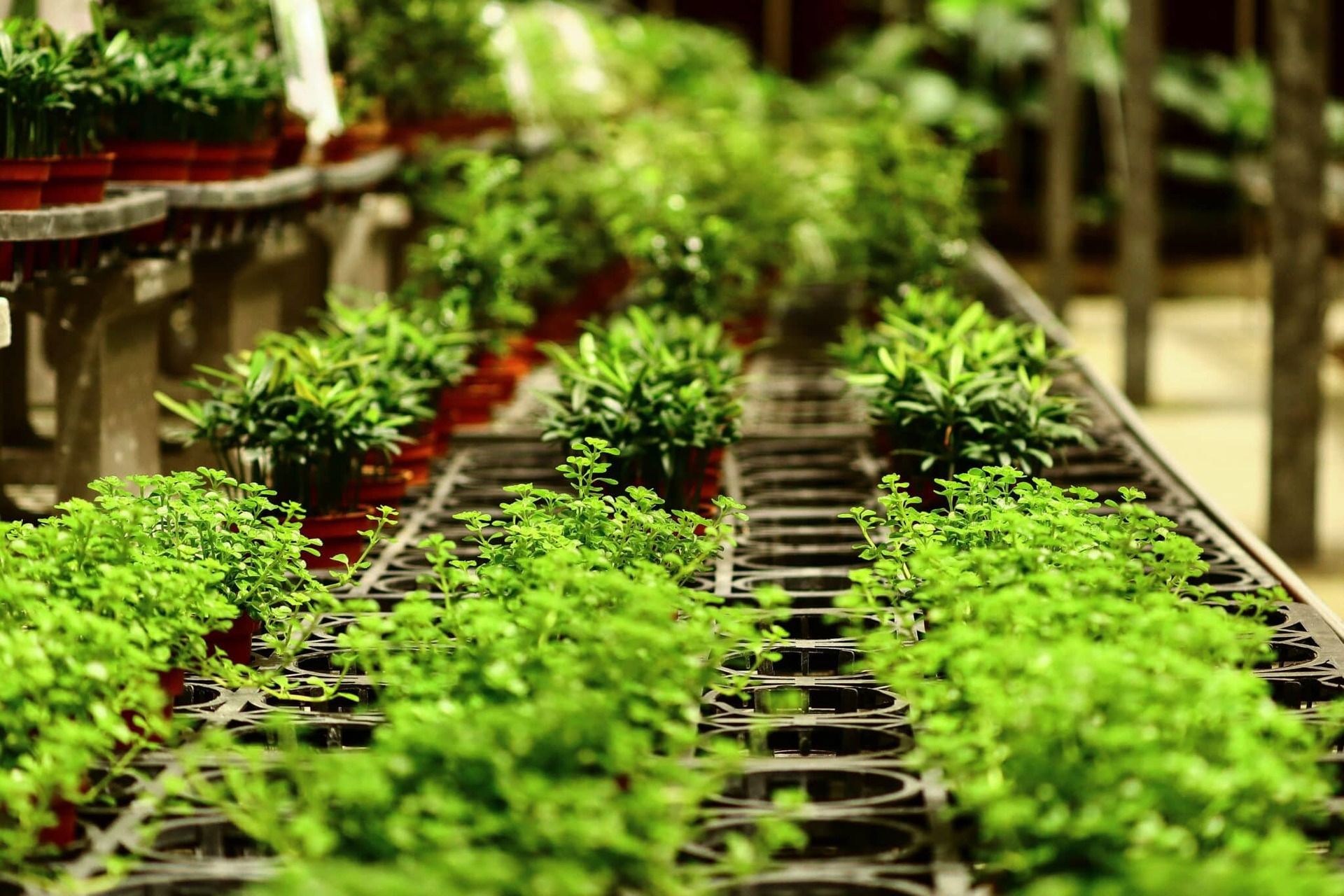
Photo Credit: iGrow News
Vive Crop Protection Secures $10 Million to Advance Canadian Ag-Tech
Vive Crop Protection has closed an oversubscribed $10 million USD investment round with participation from Farm Credit Canada (FCC) Capital, Emmertech, iSelect, and BDC Capital, strengthening the company's ability to advance its product pipeline and scale its High-Velocity Commercialization Engine (HVCE) across North America. FCC's investment aligns with its broader $2 billion pledge to support Canadian agri-food and ag-tech innovation by 2030, designed to foster resilience, innovation, and productivity growth across the food system while helping growers increase profitability and protect against climate change impacts. Powered by Vive's patented Allosperse® Delivery Technology, the company creates Precision Chemistry™ that optimizes conventional and biological crop inputs for improved performance, allowing previously incompatible agricultural chemicals to be mixed with liquid fertilizer and applied at the right time for maximum crop benefit while saving farmers time and money by reducing field passes. As CEO Darren Anderson emphasized, "FCC's support underscores the importance of agricultural innovation and validates the impact Vive is making on growers' profitability and efficiency," with this funding ensuring farmers across North America will have access to next-generation solutions that save time, improve efficiency, and strengthen farm resilience.
CONSUMER PRODUCTS
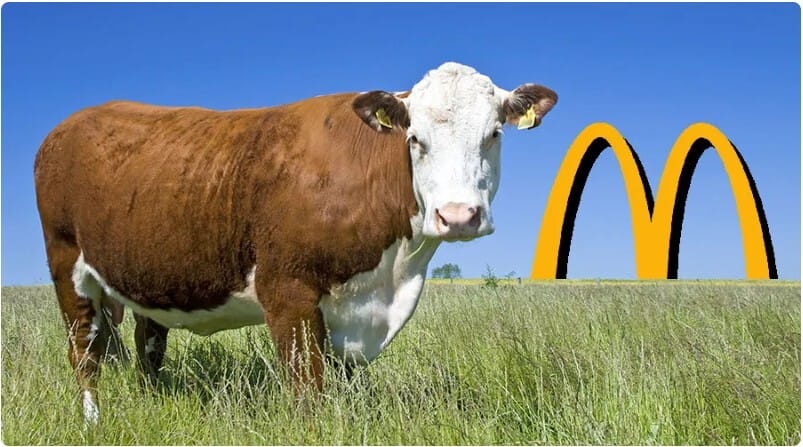
Photo Credit: KBHB Radio
How McDonald’s Latest Regenerative Beef Investment Falls Short
In our last edition of the newsletter we reported on McDonalds announcement to invest $200 Million over 7 years in regenerative beef. This week we felt this article by Land and Power most accurately depicts the challenges with this investment in the context of our current food system. The initiative, which aims to support conservation on four million acres of U.S. rangeland, coincides with deep federal cuts to USDA conservation staff and programs—cuts that undermine the very infrastructure needed for real agricultural sustainability. Critics argue that McDonald’s voluntary, project-based funding cannot replace government accountability or systemic reform, warning that such private partnerships risk letting corporations dictate how public resources are used. While the company promotes the effort as climate-forward, analysts note that it does not alter McDonald’s global supply chain of conventionally raised, methane-intensive beef, effectively offering ranchers short-term grants rather than structural incentives for long-term regenerative change.

Photo Credit: AmBrook
The Chestnut's Comeback—Tree Crop Cooperatives Take the Long View
Breadtree Farms is converting an 18th-century barn in Salem, New York into the largest chestnut processing facility in the country with help from a $2 million USDA grant, aiming to reimagine woodland landscapes as sources of climate-friendly perennial foods that can break farmers free from the corn-and-soy paradigm. The chestnut—once an everyday American food before 20th-century blight killed billions of trees—offers potential as a sweet, starchy carbohydrate with nutritional composition similar to corn and annual grains but a vastly superior environmental profile, with a global market exceeding $5 billion and applications from fresh eating to flour for polenta, bread, and Italian necci. Cooperative models are emerging across the eastern U.S. from New York to North Carolina as the only viable path forward given the prohibitive costs of crackers, sorters, mills, and presses required for processing, with operations like Ohio's Route 9 Cooperative (processing 100,000 pounds annually) and Pennsylvania's Keystone Tree Crops Cooperative demonstrating how farmers can build shared infrastructure while preserving ancestral crops and Indigenous food systems. The challenge is multi-generational patience—trees begin bearing nuts after five years, don't reach maturity for 15-20 years, and require 10-12 years to break even—but as Breadtree founder Russell Wallack emphasizes, "Until there are people who want to finance agriculture on a decade timescale, we won't have agriculture that works on a century timescale," making chestnuts "a foot in the door" for broader agroforestry visions that sequester carbon, enhance biodiversity, and build resilient local food economies
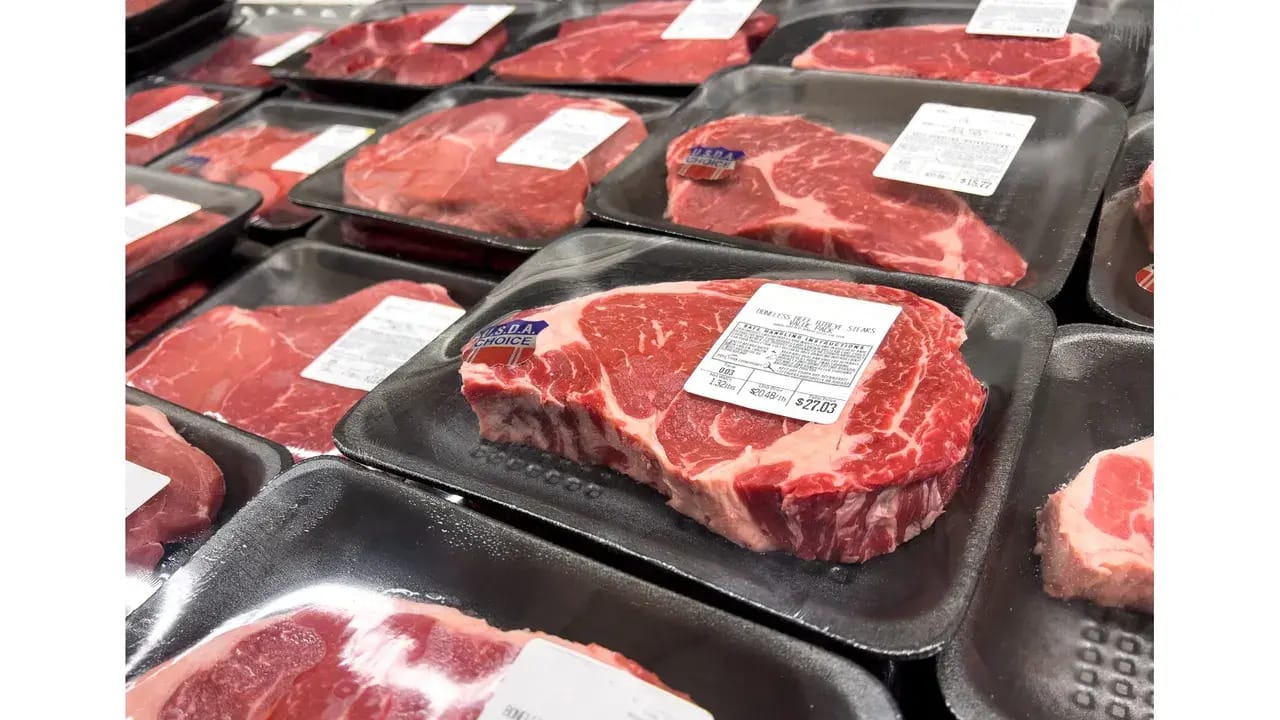
Photo Credit: Powder and Bulk Solids
Tyson and Cargill to Pay $87.5 Million in Record Beef Price-Fixing Settlement
Tyson Foods and Cargill have agreed to pay a combined $87.5 million to settle federal class-action litigation accusing them of conspiring to inflate U.S. beef prices by restricting supply—the largest payout to date in seven-year price-fixing litigation that surpasses Smithfield Foods' previous $75 million agreement. The settlement, awaiting judicial approval in U.S. District Court for the District of Minnesota, will compensate an estimated 36 million consumers across 26 states and Washington D.C. who indirectly purchased beef products like chuck, loin, and ribs from major retailers including Walmart and Costco between 2014 and 2019, with Tyson contributing $55 million and Cargill $32.5 million. As part of the deal, both companies will cooperate with consumers pursuing remaining claims against JBS USA and National Beef Packing—both of which deny wrongdoing—with plaintiffs' attorneys estimating total consumer damages at $1.9 billion and planning to seek up to one-third of the settlement in legal fees. Combined with recent settlements across beef and pork price-fixing cases (including Tyson's separate $85 million pork settlement and JBS's $83.5 million rancher settlement), payouts now exceed $250 million, underscoring mounting antitrust scrutiny of the U.S. meat industry even as all named companies continue denying collusion.
World News
Photo Credit: Morning AgClips
US Finalizes $20 Billion Currency Swap with Argentina Amid Controversy
The United States has directly purchased Argentine pesos and finalized a rare $20 billion currency swap line with Argentina's central bank in an unprecedented move aimed at stabilizing turbulent financial markets in the cash-strapped Latin American ally, sparking fierce debate about foreign policy priorities. Treasury Secretary Scott Bessent insisted the credit swap is not a bailout, but U.S. farmers are furious about rescuing Argentina—whose own farmers have benefited from soaring soybean sales to China at American farmers' expense—while Democratic lawmakers introduced the "No Argentina Bailout Act" questioning how this aligns with Trump's "America First" agenda amid a government shutdown. The timing is critical: Argentina's libertarian President Javier Milei, a fervent Trump admirer, faces his greatest political test with midterm elections that could decide the fate of his painful austerity experiment, and the U.S. financial lifeline offers crucial reprieve after a disastrous local election triggered exodus from Argentine assets. Critics note that repeated bailouts have historically failed to stabilize Argentina's crisis-stricken economy—it owes the IMF a staggering $41.8 billion as the fund's biggest debtor—and Bessent made no mention of economic conditions attached to the swap line, leading observers to characterize the intervention as a pre-election reward for a loyal friend rather than a strategic investment

Photo Credit: Morning AgClips
EU Offers New Farmer Protections to Build Support for Mercosur Trade Deal
The European Union's executive arm has unveiled detailed proposals to protect European farmers from being undercut by South American imports as it seeks to build support for the contentious Mercosur trade deal, which would create one of the world's largest free trade zones covering 780 million people. Under the new safeguards proposed October 8th, the European Commission would launch investigations if import prices from Mercosur countries (Brazil, Argentina, Uruguay, Paraguay, and Bolivia) fall at least 10% below EU product prices, with the ability to temporarily suspend preferential tariffs if serious injury to European farmers is confirmed. The proposals include enhanced monitoring systems sending reports to the Council and European Parliament every six months, special provisions for sensitive agricultural products like beef, poultry, rice, honey, eggs, garlic, ethanol, and sugar, and rapid response mechanisms allowing provisional protective measures within 21 days with investigations concluded within four months. Despite these protections, the deal faces vehement opposition from Europe's agriculture sector—particularly in countries with large dairy and beef industries like France and the Netherlands—who fear unfair competition and environmental damage, with farmers using tractors to paralyze capital cities in recent protests, though proponents argue the 15-year phased duty removal will be carefully balanced and save EU businesses substantial costs.

Photo Credit: Stock Image
Climate Science Update: Carbon Budgets and Future Warming Scenarios
The latest climate science from the Earth System Dynamics journal (Copernicus Publications) examines emission pathways, remaining carbon budgets, and the multi-model consensus on how humanity's remaining emissions translate into future warming trajectories under various scenarios. Research reveals that the median CO2-only carbon budget from 2020 to 2150 is approximately 800 gigatonnes of CO2 for limiting warming to 1.5°C and 2,250 gigatonnes for staying below 2.0°C, with current annual emissions of 42.2 gigatonnes per year meaning the 1.5°C budget could be exhausted in less than six years at constant emission levels. The analysis highlights critical complexities in the carbon budget concept, including scenario dependence (how specific emission pathways affect temperature outcomes for given cumulative emissions) and state dependence (how the climate system's response changes as warming progresses), using pulse response functions as Green's functions to explain and predict these deviations. As global warming will likely reach or exceed 1.5°C even in highest ambition scenarios during the period of upcoming carbon budgets, the research underscores that decisions to approve new fossil fuel projects represent pivotal moments shaping Earth's future climate trajectory, with the linear relationship between cumulative emissions and temperature becoming less reliable on multi-centennial timescales as zero emission commitment (ZEC) responses vary significantly across models.
JOB BOARD
Sales and Marketing Associate - Purple Pastures Lavender Farm - send your CV to [email protected] or message Allison Harmon: CLICK HERE
Water Policy Officer - Thornburg Foundation - Full Time - Hybrid (Santa Fe, NM) - Email applications to [email protected]: CLICK HERE
Chief Operations Officer - Emergent Climate - Full Time - Hybrid (NYC, Miami, or Barcelona): CLICK HERE
Program Manager - Chicago Grows Food - Full Time - Hybrid (Chicago) - $55-65k - send your cover letter and resume to [email protected]: CLICK HERE
Operations Manager - Wild Rye - On Site (Sun Valley, ID) - $70-90k - send your resume and cover letter to [email protected]: CLICK HERE
Program Director - The Foundation for Fresh Produce - contractor - Remote (Delaware) - send your resume and cover letter to [email protected]: CLICK HERE
Farms Program Manager - Farm Foundation - Full Time - Hybrid (Illinois) - $65-75k - Apply by emailing your resume and cover letter to [email protected]: CLICK HERE
Executive Director - Sprouts Chef Training - Full Time - Remote - $120-145k: CLICK HERE
UPCOMING EVENTS
The Great Garlic Revival
Dates: November 8th
Beef Sustainability Summit
Dates: December 8th-9th
Basics of Worm Composting
Date: October 21st (Register by October 20th)
2025 Maine Forage Conference
Date: October 27th
ISU Extension and Outreach Women in Ag Leadership Conference
Date: December 3rd-4th
Organic Growers Summit
Date: December 3rd-4th
Wisconsin Water and Soil Health Conference
Date: December 16th-17th
This is a community-run platform. If you have an organization supporting the regenerative agriculture movement and would like to see your news shared on our platform, send an email to [email protected].
