- RegenCircle Newscast
- Posts
- The RegenCircle Newscast 11.17
The RegenCircle Newscast 11.17
NEW 🌶️ Job Opportunities & Grant Funding Opportunities at the Bottom of the Newsletter! Plus major shifts toward biological alternatives due to speculation of Glyphosate coming off of the market. In California, activists have launched a hunger strike targeting large berry producers to protest harmful pesticide practices. Meanwhile, Tikehau Capital has secured more than $560 million to fund regenerative agriculture strategies.
Letter from the Editor 🖋️Amidst the World’s Climate Woes, Wilding Happens at the Margins My reading this week took a critical look at decarbonization's downfall and produced a vision of wilding bringing the veins of our food system back to life... |  |
This Week’s Human Interest Stories
From farmworker protests to women pioneering a fairer food future.
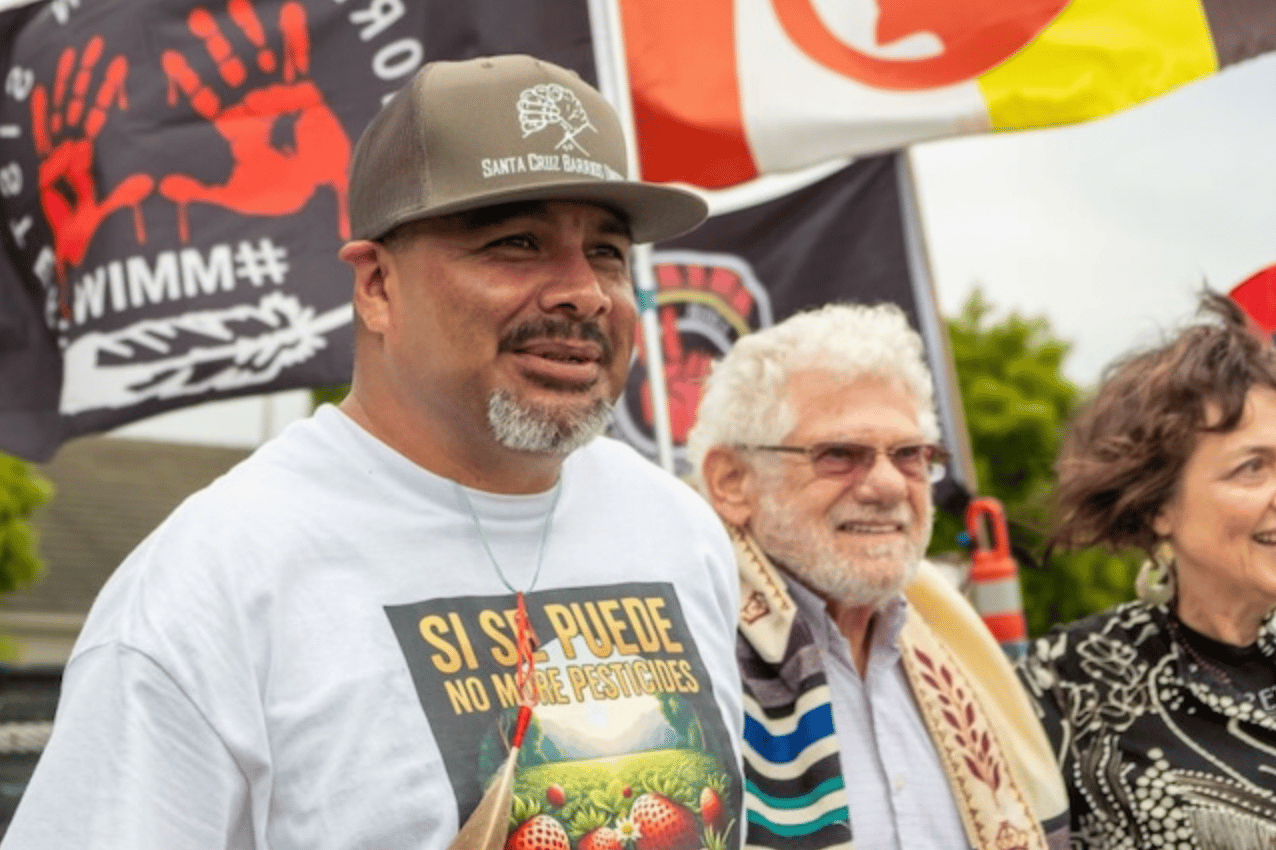
Image: Organic Insider
Hunger Strike Against Pesticides Targets Major Berry Farms in California
Farmworkers, activists, and local families have launched a hunger strike to protest pesticide exposure and labor conditions at California’s biggest berry growers, Driscoll’s and California Giant. The campaign demands stricter pesticide bans, more transparency, and safer farmworker conditions, drawing attention to ongoing health risks and regulatory gaps in the state’s agriculture sector.

Image: Civil Eats
Meet the Women of the Alternative Food System
Civil Eats highlights the vital work of women leading the alt-food movement, from climate-focused nonprofit founders and grassroots organizers to scientists and chefs advocating for fair pay, racial equity, and plant-based innovation. Women are redefining the food system by centering health, equity, and environmental solutions—often in spite of industry barriers and limited investment.
Earth Sciences
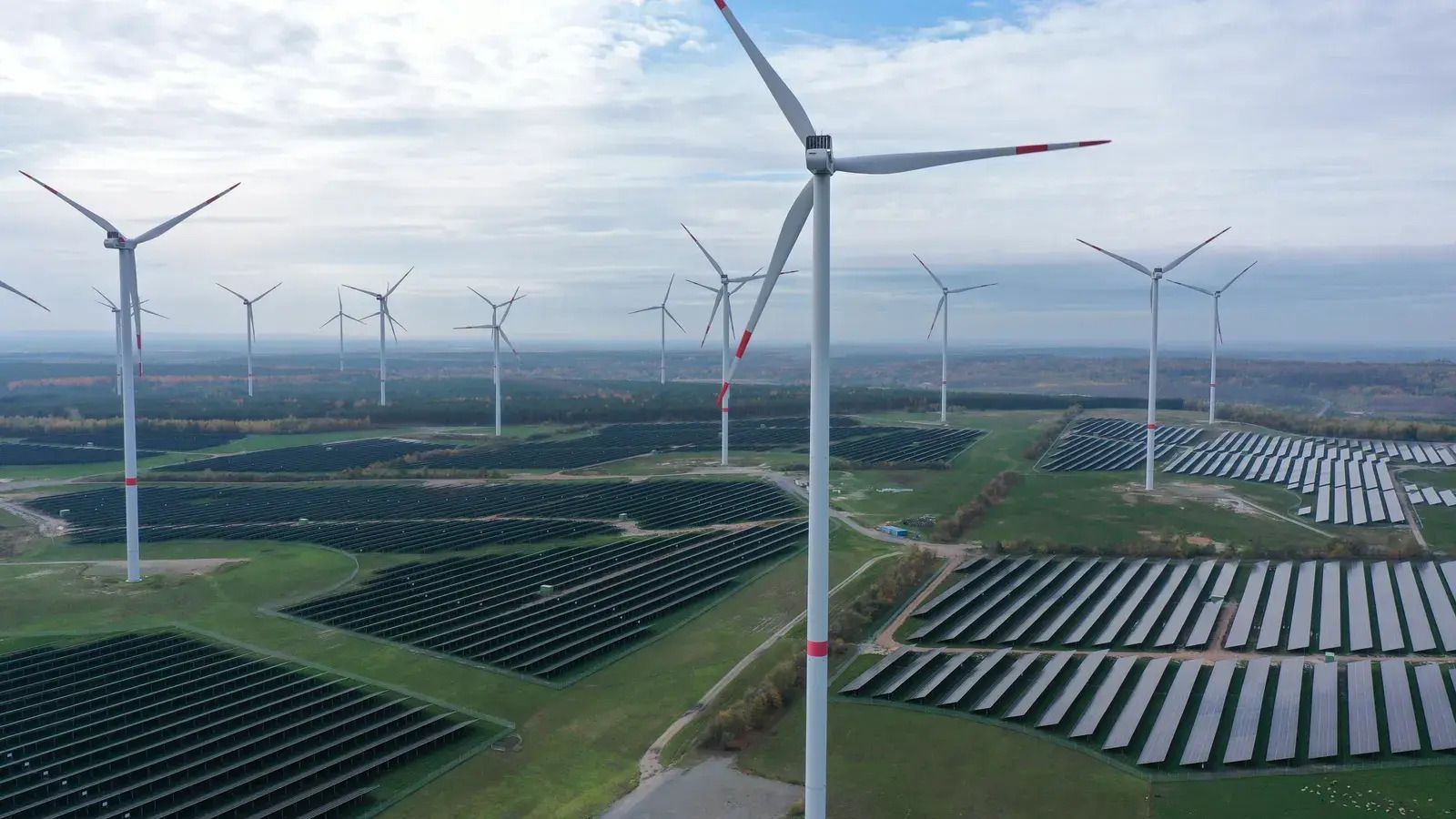
Image: ESG Dive
Science-Based Climate Targets Initiative Boosts Corporate Reputation and Action
Companies with science-based climate targets validated by the Science Based Targets initiative (SBTi) report overwhelmingly positive effects on reputation, climate ambition, and decarbonization speed. Of the 171 companies surveyed, 95% saw improved public image, 90% reported enhanced climate ambitions, and 86% said targets accelerated their progress on cutting emissions. With nearly 11,000 global companies now participating, SBTi claims these firms represent 25% of global revenue and over 40% of global market cap, showing broad adoption of science-based frameworks drives both climate leadership and business competitiveness.
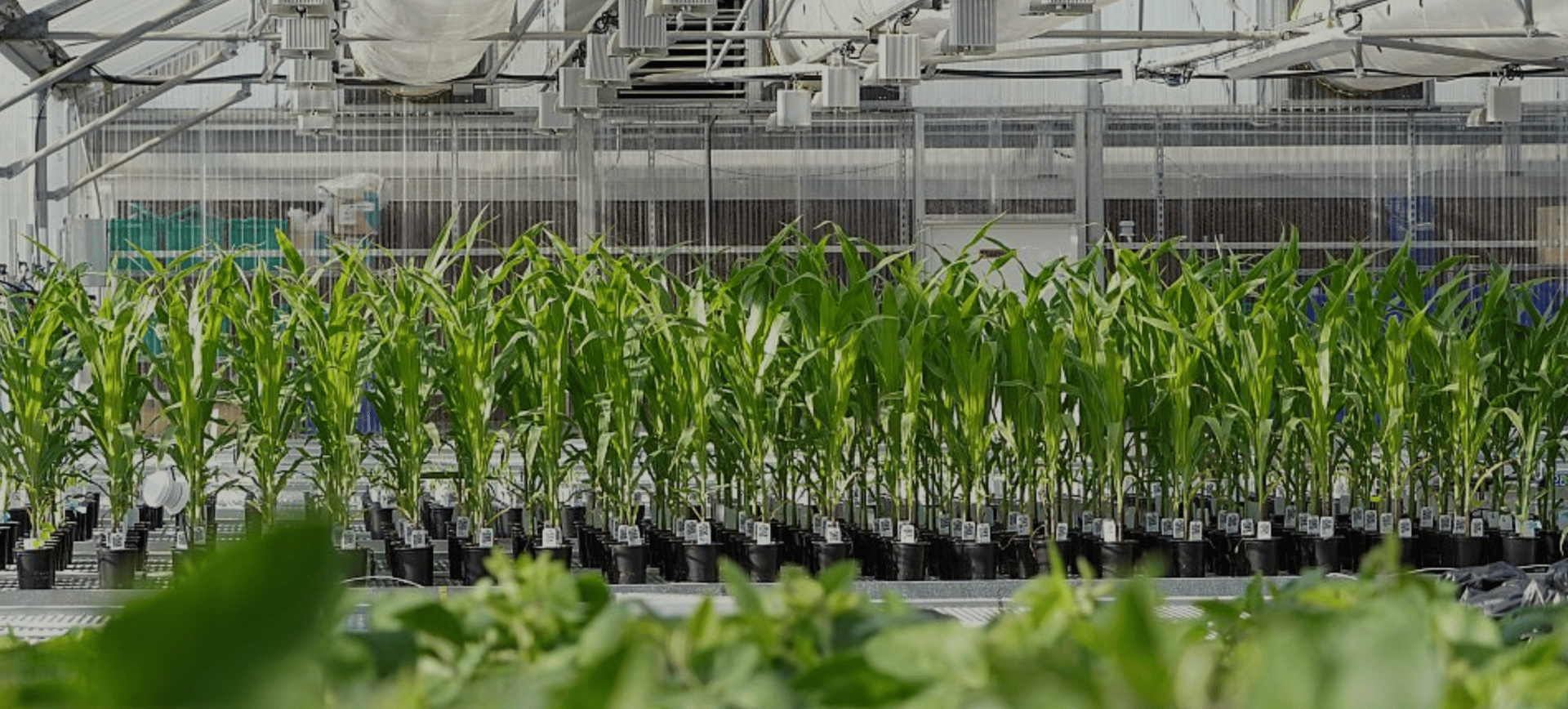
Image: AFN
Ginkgo and Bayer’s Quest for Next-Gen Nitrogen-Fixing Biologicals
Ginkgo Bioworks and Bayer are spearheading the next generation of engineered microbes to turn atmospheric nitrogen into fertilizer for cereal crops—a breakthrough that could significantly reduce reliance on synthetic fertilizers and lower agriculture’s environmental impact. Currently, biologicals for nitrogen fixation work reliably only in legumes; extending these benefits to corn and wheat means overcoming challenges around stability, consistency, and shelf life of microbial seed coatings. The industry aims for microbes that could cut synthetic fertilizer use by 25–40%, with trials focused on achieving performance parity across different climates and soils during entire crop cycles.
Political + Policy News
 Image: Civil Eats Senate Introduces Food Ingredient Disclosure Bill Addressing MAHA ConcernsA bipartisan bill proposes mandatory food ingredient disclosure in response to demands for transparency under MAHA (Make America Healthy Again) reforms, aiming to improve consumer knowledge of additives, allergens, and synthetic ingredients in packaged foods. The legislation would establish uniform standards for labeling, reflecting rising scrutiny of what’s in the food supply. |  Image: Getty Images China Buys Brazil Soy While US Crop Still Faces 13% TariffDespite trade talks, Chinese buyers are stepping up purchases of Brazilian soybeans for upcoming shipment due to lower prices, while U.S. soy continues to face a steep 13% Chinese tariff. U.S. sales promised by the White House remain unconfirmed as government shutdown complicates tracking purchases and market expectations. |
REPORTS WORTH READING
Rabobank shares industry update, Abrook Ag gives us a visual look at California’s water woes and the move beyond AgTech.

Image: Photo by Braden Egli on Unsplash
Rabobank Review: Resilient Food Chains Demand Regenerative Investments
Rabobank’s latest report urges ag industry leaders to prioritize regenerative and circular models, warning that food chain resilience depends on shifting capital into soil health, water stewardship, and climate-adaptive infrastructure. With global supply chains facing mounting shocks, the review calls for rapid scaling of farm-level sustainability solutions

Photo By: Christina Yergat
Lithium vs. Lettuce: Water Rights Crisis in California
Ambrook’s photo essay reveals the battleground between lithium extraction and lettuce production in California’s Salton Sea region, as water scarcity and drought drive conflict between food and energy interests. Communities struggle to maintain agricultural livelihoods while competing for critical water with the expanding clean energy sector.

Image: iStock
Agtech Is Dead—Long Live the System
Agtech sector must evolve from isolated technical fixes to integrated systemic approaches, combining climate-smart tools, social innovation, and cross-sector investment for true impact in food and farming. Market failures and scaling challenges reveal that holistic, ecosystem-level change is essential for resilience.
Investment News
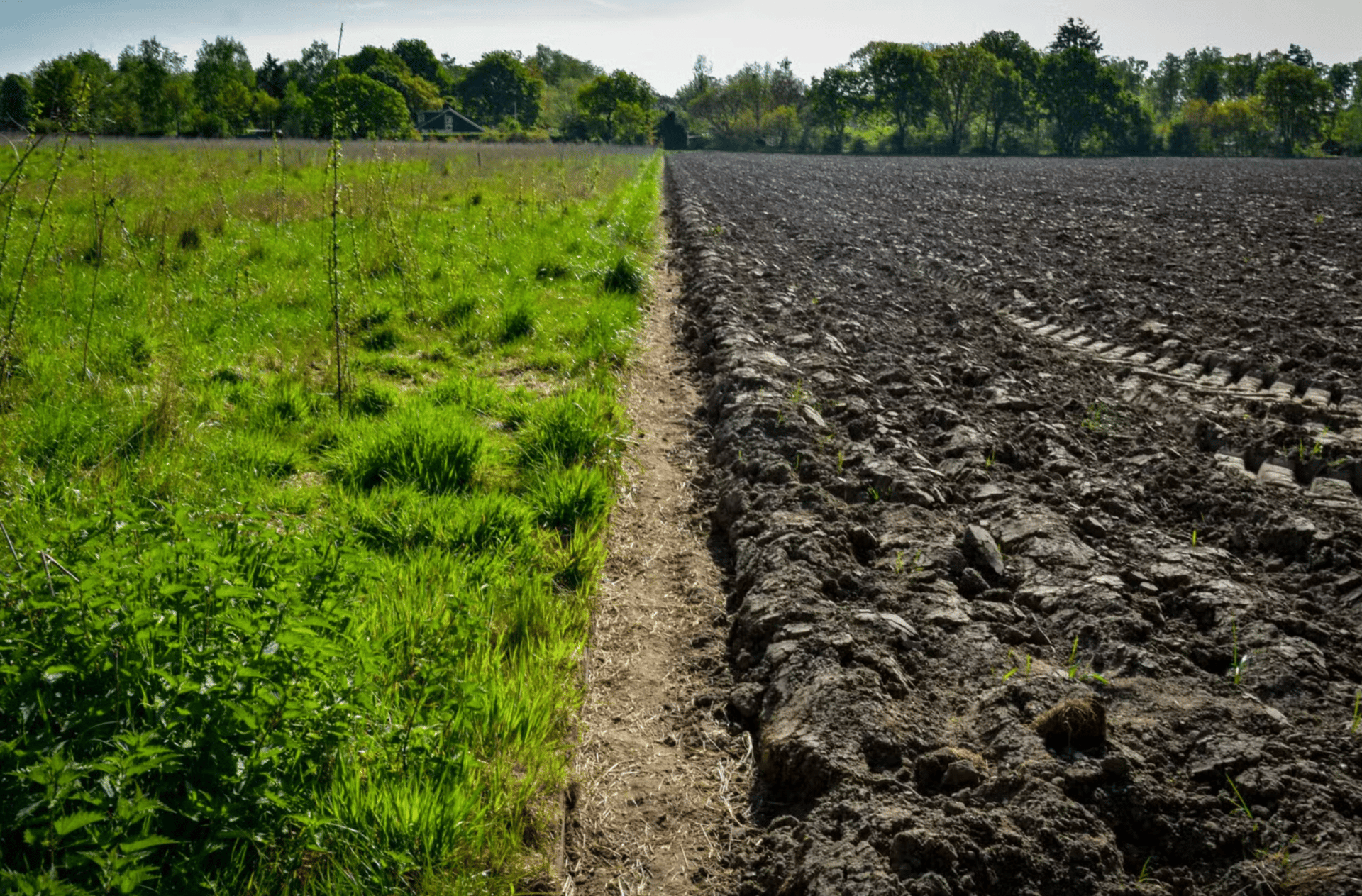
Image: iGrow News
Tikehau Capital Raises Over €560 Million for Regenerative Agriculture Strategy
Tikehau Capital has closed a €560 million (~$653 million) Regenerative Agriculture fund, targeting sustainable food systems, soil health, and climate-positive agriculture. This marks a major milestone for private capital in scaling climate-resilient farming, as their total assets under management surpass €51 billion and investor confidence in the sector grows.

Photo: DCJ
Food Systems Investment Fund Expands Climate Impact Portfolio
A recent fund report shows food systems investment portfolios increasingly prioritize regenerative agriculture, soil carbon, and biodiversity as climate risks push investors to seek resilient agri-food strategies. Year-to-date, fundraising surged 9%, underscoring accelerating demand for innovation in ecological food production and supply chain traceability
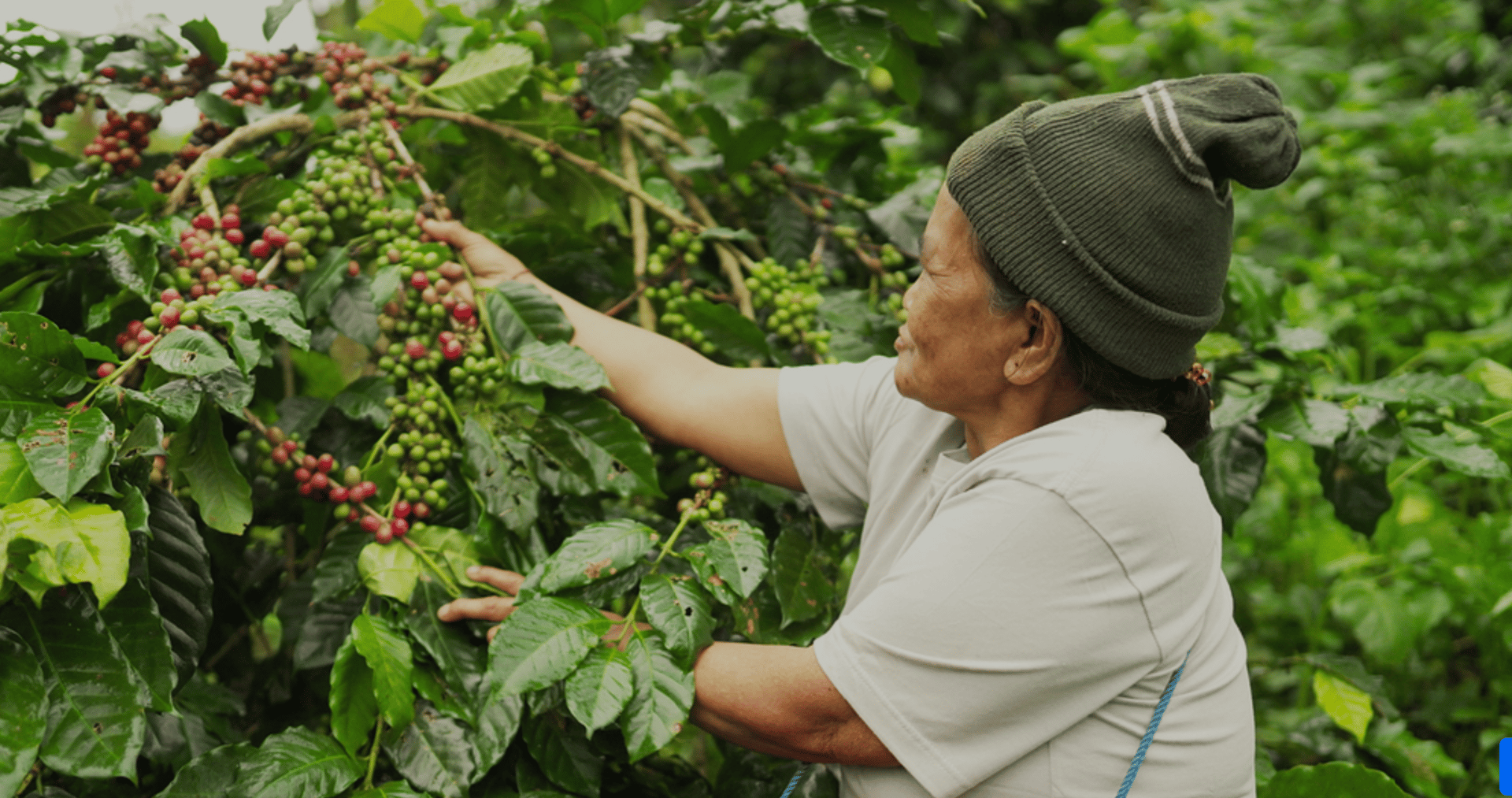
Photo By: AFN
Philanthropy Alone Can’t Fix Climate—Record Funding, But Gaps Remain
Philanthropic funding for climate adaptation hit a record $870 million in 2024—120% more than in 2021—but still accounts for less than 10% of total climate finance, far short of meeting local needs in vulnerable regions. The Gates Foundation pledged $1.4 billion to help smallholder farmers, yet experts warn real progress requires sustained investment from governments and private funds, as adaptation needs exceed available capital by $359 billion globally.
TECH
This week, agtech spans smarter factories, shifting energy investments, and AI that can decode the secrets of wild plants.

Image: Tetra Pak
Tetra Pak Launches Factory OS for AI-Ready Manufacturing
Tetra Pak has launched Factory OS, a cloud-based platform to help food and beverage factories become AI-ready, enabling predictive maintenance, efficiency, and full digitization of production lines. The new operating system promises to simplify smart factory transitions and improve sustainability by optimizing manufacturing in real time.

Photo by ESGDive
$16 Billion in Clean Energy Investments Rolled Back in September
September 2025 saw a rollback of $16 billion in global clean energy investments, as shifting regulatory environments and uncertain economic conditions caused major projects to pause or cancel. The trend spotlights the fragility of energy transition financing and the need for stable policies to maintain momentum.
CONSUMER PRODUCTS
Nestlé Leaves Dairy Methane Reduction Alliance
Nestlé, a founding member of the Dairy Methane Action Alliance, has announced its departure from the initiative aimed at cutting methane in the dairy industry. While Nestlé affirms its ongoing climate goals—including a reported 21% reduction in greenhouse gas emissions over six years—the company cites routine membership review as the reason and insists its Net Zero Roadmap and Dairy Climate Plan will keep guiding methane reduction efforts independently. This move reflects a broader industry trend: companies like PepsiCo, Coca-Cola, and Unilever are adjusting or abandoning key sustainability commitments, often due to supply chain complexity and regulatory hurdles, raising questions about real progress on climate goals.
Sun Ghee Breaks Through with Non-GMO Project’s Equity Program
Sun Ghee, a BIPOC-founded brand blending traditional ghee with modern flavors, has grown using the Non-GMO Project’s Equitable Transfer Program, which helps underrepresented founders gain certification and market access. The program’s financial support allowed Sun Ghee to verify its grass-fed, organic, and regeneratively sourced products, ensuring transparent supply-chain tracing that resonates with conscious consumers seeking authenticity and food integrity. By removing financial barriers for BIPOC-led companies like Sun Ghee, the program is amplifying equitable access and cultural innovation in the natural products industry.
The Non-UPF Program Combats Ultra-Processed Foods
Launched in December 2024, the Non-UPF Program is the first U.S. certification for foods free from ultra-processing, based on the Nova Classification System. The nonprofit initiative aims to combat the health risks linked to ultra-processed foods—associated with higher rates of obesity, diabetes, heart disease, and depression—by guiding consumers to minimally processed, nutrient-rich options. Its approach includes product certification, consumer education, digital platforms, and research collaborations to encourage food companies and individuals to reduce reliance on industrial additives and promote a healthier diet.
World News
 Colombia’s Ambitious Climate Goals Set Stage for COP30Colombia’s aggressive embrace of renewables and planned phase-out of fossil fuels positions the country as a climate leader ahead of the COP30 summit, despite widespread regional challenges. Efforts focus on expanding clean energy while balancing economic development and social welfare, with global attention on policy outcomes. |  Netherlands’ Fresh Foodcast Explores Gulf Region Food SecurityThe Netherlands' “Fresh Foodcast” examines efforts to enhance food security and sustainability in the Gulf region, spotlighting collaborations on desert agriculture, water technology, and supply chain resilience. Innovations discussed include controlled environment farming and international food system partnerships to tackle climate and resource challenges. |
JOB BOARD
Senior Director of Sustainability Organic Valley
Global Supply Chain Project Manager Vita Cooc
Regenerative Farm Manager Aspen, CO
Graphic Designer Cairnspring Mills
UPCOMING EVENTS
Western SARE (Sustainable Agriculture Research and Education) Grant Funding Opportunity
Submission Deadline: November 20
New York Small Farms Summit
December 5, Sites across New York State
Looking for land to farm? Part of student thesis is to connect people with land, this could be your chance!
Must provide the State you want to grow in, how much land and crop type!
This is a community-run platform. If you have an organization supporting the regenerative agriculture movement and would like to see your news shared on our platform, send an email to [email protected].
