- RegenCircle Newscast
- Posts
- The RegenCircle Newscast 11.3
The RegenCircle Newscast 11.3
Federal Judge rules SNAP programs to be funded through government shutdown, Biologicals get billion dollar valuation and rich cultural heritage makes its way to your favorite snacks.
Letter from the Editor 🖋️The Dissolution of our Time When the stories on the screen beg for your endless grief, we struggle to find beauty in the living reality outside of them. Recently I have found relief in longer format reading that looks at long term perspectives and systemic thinking… |  |
This Week’s Human Interest Stories
This week’s human interest section explores the unlikely actors playing crucial roles in our food system.

Image: Bloomberg
How Refugees Remade a Colorado Meatpacking Town
When ICE cracked down on undocumented labor in 2006, meatpacking companies turned to refugee workers, fundamentally transforming towns like Greeley, Colorado, and creating a food system reliant on vulnerable populations with tenuous legal status. The shift brought 40,000+ Rohingya, Somali, and Haitian refugees to Greeley, building cultural institutions while facing exploitation and deportation threats as legal protections expire. As JBS fires 400 Haitian workers and recruits Somali refugees to replace them, the podcast reveals how America's meat supply depends on a rotating door of vulnerable workers with nowhere else to go.
Farm-to-Prison: Transforming Carceral Food Systems One Tomato at a Time

Image: Adam Dixton
Vermont's Marble Valley Correctional Facility breaks from serving toxic meals by partnering with local farms to provide fresh, scratch-cooked food to incarcerated people, proving that under $3 per person per day budgets can work locally (5.8 cents for homemade sub rolls versus 33 cents purchased). Impact Justice's 2020 report exposed prison food "designed to slowly break your body and mind," catalyzing change as Vermont's DOC prioritizes health, California mandates 60% in-state agricultural purchasing by 2026, and facilities nationwide develop kitchen apprenticeships. Though practitioners remain "very small and tight knit," the movement has "expanded exponentially in the last five years" as food is recognized as essential to identity, re-entry support, and human dignity.
Political + Policy News
 Image: FAO Gaza Ceasefire Opens Window for Agricultural RecoveryGeospatial analysis reveals 87% of Gaza's cropland is damaged or destroyed, yet the ceasefire makes 37% of damaged cropland (600 hectares undamaged) physically accessible for rehabilitation. However, the FAO's $75 million Flash Appeal is only 10% funded, leaving an urgent gap between critical need and available resources to restore food production. |  Image: AP News Trump Administration Faces Court-Ordered Deadline on SNAPFederal judges have ordered the Trump administration to use contingency funds to continue SNAP benefits for 42 million Americans (one in eight) after the government shutdown left the program unfunded. The USDA possesses a $5 billion contingency fund, but the administration initially refused to use it until court orders forced intervention, demonstrating that food security depends on political will rather than guaranteed resources. |
REPORTS WORTH READING
This week we highlight 3 reports that we think are definitely worth a read, from a look at food sovereignty by nation, to a new study that highlights nutritional differences in regeneratively raised versus conventional turkey and finally a look at the history of corn, from indigenous nutrition staple to fueling our national economy.

Image: Andy Sacks via Getty
Only One Country Produces All the Food It Needs
Out of 186 countries analyzed in a Nature Food study, only Guyana produces enough food across all seven food groups (fruits, vegetables, dairy, fish, meat, plant-based protein, and starchy staples) to feed its population without foreign imports, while China and Vietnam came close at six out of seven categories. The research reveals a troubling global imbalance: 65% of countries overproduce meat and dairy relative to population dietary needs, yet less than half produce enough plant-based protein or starchy carbohydrates, and only 24% grow sufficient vegetables—creating widespread shortfalls in nutrient-dense plant foods. Europe and South America generally show higher food self-sufficiency than other regions, while small island states, Arabian Peninsula countries, and low-income nations rely heavily on imports, with six countries (Afghanistan, United Arab Emirates, Iraq, Macao, Qatar, and Yemen) failing to produce enough of any single food group to achieve self-sufficiency.

Image: Getty Images
How Corn Drives America
Corn has evolved from its Indigenous origins as one of the sacred "Three Sisters" into the versatile industrial commodity that powers nearly every aspect of modern American life, with over 90 million acres planted annually across the Corn Belt generating billions in economic activity that supports not just farmers but vast networks of seed companies, equipment manufacturers, processors, and rural communities. While sweet corn graces summer cookouts, the vast majority of U.S. corn is field (dent) corn processed into countless derivatives: ethanol blended into nearly every gallon of gasoline (supported by the 2005 Renewable Fuel Standard producing billions of gallons annually), high-fructose corn syrup sweetening processed foods, corn starch thickening sauces, livestock feed supporting meat production, and even biodegradable plastics offering eco-friendly alternatives to petroleum products. The crop's dominance stems from remarkable adaptability developed over millennia of cultivation combined with mechanical innovations like steel plows and corn shellers that transformed small homesteads into vast commercial operations linked by railroads and river routes.

Image: Montserra Productions
Regenerative Turkeys Deliver Superior Nutrition, Utah State Study Confirms
Just in time for Thanksgiving, a Utah State University analysis of Diestel Family Ranch turkeys confirms that regenerative farming practices consistently yield birds with superior nutritional profiles across breast meat, ground turkey, and whole bird categories—containing up to 79% more omega-3 fatty acids and 2-3 times more antioxidants than commodity alternatives. The expanded research found that certain protective phenolics, flavonoids, and isoflavones measured as much as 20-30 times higher in regenerative turkeys, compounds that play critical roles in reducing oxidative stress and inflammation, while also demonstrating healthier omega-6 to omega-3 ratios (1.5-2 times more favorable), lower saturated fat levels, and significantly elevated B-vitamins (B2, B7, B12) and Vitamin A—averaging 50-70% higher than conventional birds. Dr. Stephan van Vliet's lab, which specializes in nutrient density testing using advanced mass spectrometry techniques, attributes these improvements to the "soil to plant to animal" connection strengthened by regenerative practices.
Investment News

Image: Uluu cofounders Michael Kingsbury and Julia Reisser
Australian Startup Uluu Raises $16 Million for Seaweed Plastic
Uluu has secured AU$16 million in Series A funding to scale seaweed-based plastic alternatives that are home compostable, marine biodegradable, and non-toxic—while sequestering up to 5 kg CO₂ per 1 kg of material produced versus 3 kg emitted by conventional plastics. Already partnering with global brands including Quiksilver, Papinelle, and Audi, Uluu could reduce global CO₂ emissions by 2+ gigatonnes annually if widely adopted.

Photo: Ant Rozetsky
Ascribe Bioscience Secures $12 Million for Biofungicide
Ascribe Bioscience closed a $12 million Series A round led by Corteva and Acre Venture Partners to commercialize Phytalix®—a biofungicide delivering performance comparable to synthetic products while maintaining environmental benefits. The investment signals confidence that Ascribe's technology demonstrates "dramatic yield gains versus other biologicals" and can compete with synthetic chemistry.
TECH
Tech in agriculture this week looks like supply chain intelligence advancements, a deeper understanding of biological’s effectiveness in different soil and climate types, and Larry Ellison decoding wild plant genomes using AI.

Image: Mondra
Mondra Secures £10 Million for AI Supply Chain Mapping
Mondra's AI platform maps previously untraceable food supply chains, providing real-time carbon and environmental impact tracking, climate risks, and price volatility—trusted by Tesco, M&S, Co-op, Lidl, Aldi, Cargill, and Starbucks. The platform generates audit-ready ESG data and helps companies decarbonize, comply with regulations, and manage supply chain volatility.
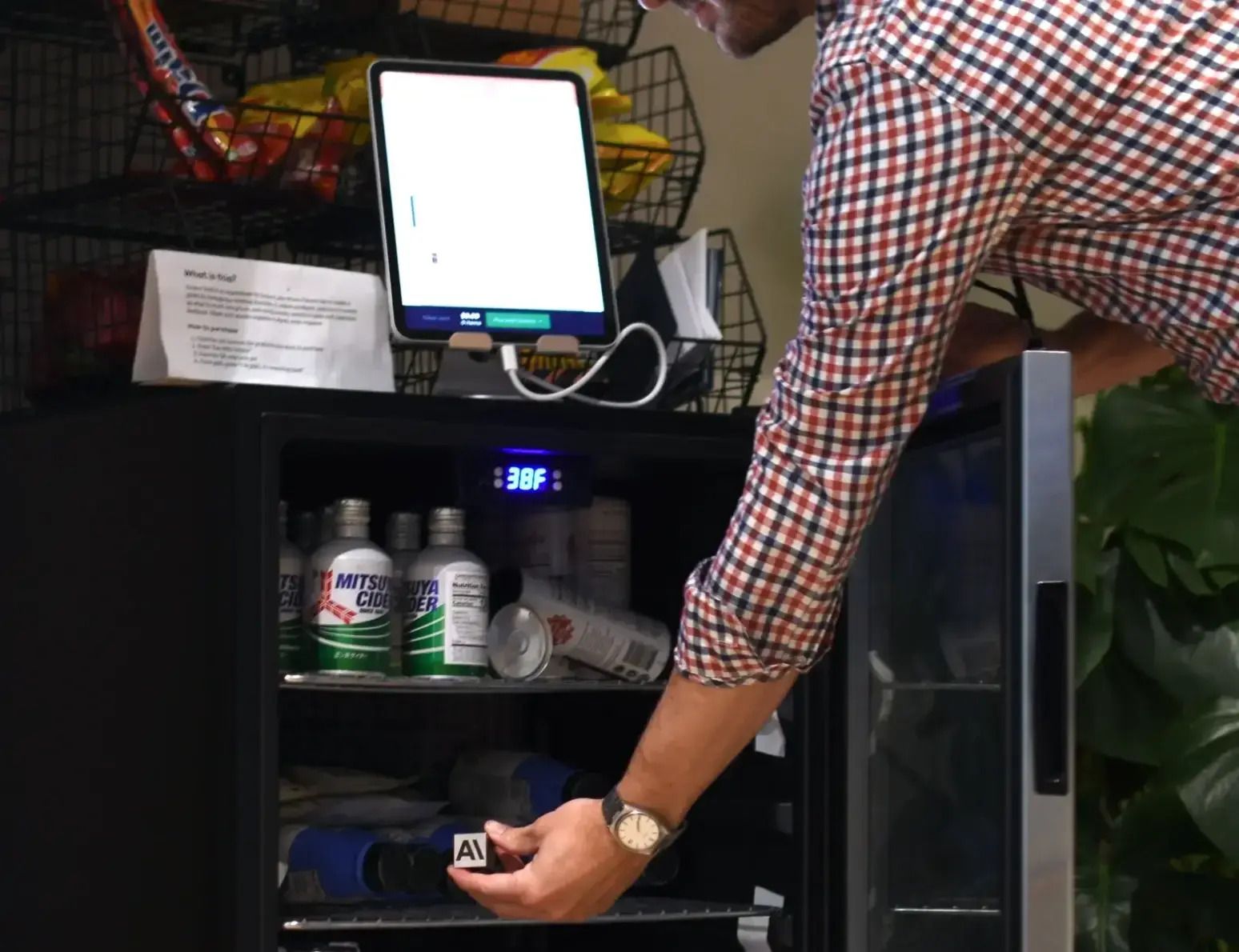
Photo by AgFunderNews
Billion-Dollar Biologicals: Promise and Skepticism
Microbial biologicals represent a $31.84 billion industry by 2029, yet performance remains inconsistent—some farmers see 2+ bushel/acre soybean yield gains from seed inoculants costing just $4/acre, while others see no difference. The key: demand locally relevant field data across two growing seasons and seek products with transparent mechanisms of action rather than silver-bullet claims.

Image: Wild Bioscience
Wild Bioscience Raises $60M
Oxford spinout Wild Bioscience raised $60 million Series A to develop climate-smart crops using AI to decode wild plant genomes, achieving 20%+ photosynthetic efficiency improvements in field trials that translate to faster growth and higher yields
CONSUMER PRODUCTS
Grass-Fed Beef Biltong as Regenerative Snacking
The Colombia Avocado Board (CAB) has launched the "Avocados From Colombia" brand in the U.S., marking a significant milestone as exports of Colombian avocados to the U.S. reached 85 million pounds in the first half of 2025, doubling the previous year's mid-year record. This branding initiative aims to establish a consistent identity that highlights Colombia's unique avocado-growing regions and the contributions of nearly 80,000 industry workers.
Ojaswe Celebrates Cultural Heritage Through Regenerative Chickpeas
Ash Glover-Ganapathiraju built Ojaswe into a NEXTY Award finalist brand making high-protein chickpea pancake mixes that celebrate South Asian heritage while partnering with Canadian regenerative farms. The NEXTY recognition and Grant support enabled founder growth, demonstrating how success means "uplifting the entire food ecosystem" rather than just profit.
World News
 Canadian Organic Alliance Releases Organic Action PlanDespite Canada's $9.75 billion organic market with 8% annual growth, domestic production has stagnated as imports rise—while competitors (U.S., EU) spend 8-200x more per acre on organic support. The Organic Action Plan proposes public-private partnerships to strengthen policy, accelerate production growth, and expand markets through processing capacity and public procurement. | 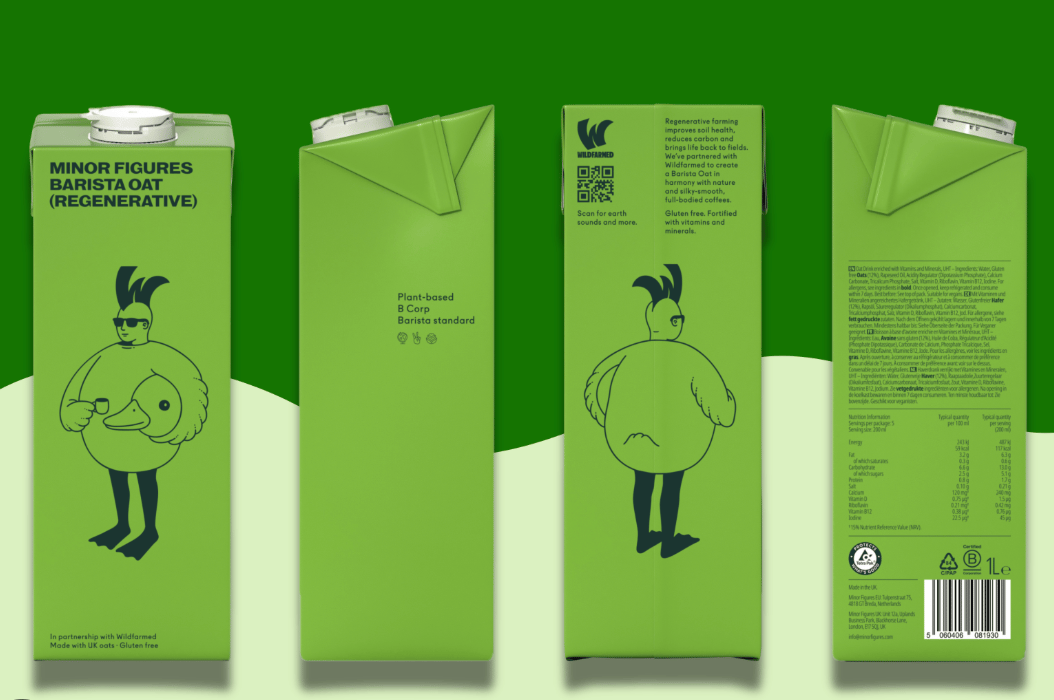 Minor Figures Launches UK's First Regenerative Barista Oat MilkMinor Figures partnered with Wildfarmed to launch Barista Oat (Regenerative)—the UK's first barista-standard oat milk made from regeneratively grown British oats, now available at Waitrose. With 56% of Brits supporting regenerative agriculture and 37% willing to pay more, this launch signals regenerative oats becoming the new premium standard. |
JOB BOARD
Executive Director Farm to Table. Application Deadline: November 12.
Social Impact Strategy and Standards Manager Once Upon a Farm
SIX Positions Available from C-Suite to Product Manager Rooted Holdings Inc.
Associate Teaching Professor in Sustainable Food Systems CU Boulder
Key Account Manager- Natural and Specialty Channels, Painterland Sisters
Director of Sustainabillity, Organic Valley
UPCOMING EVENTS
National ‘Women in Ag Study’ Launches
The survey remains open through March 31 to gether insights from women working in production agriculture, agribusiness, education and advocacy.
Montana Agritourism Conference
Set for November 20-21st at montana state.
Webinar: Why regenerative producers can’t get credit and how integrated capital can close the gap
November 19th at 12-1:30pm.
Webinar: Soil Health Institute presents - Farmer Takeaways from the National Cover Crop Variety Project
November 6th at 9am MST
This is a community-run platform. If you have an organization supporting the regenerative agriculture movement and would like to see your news shared on our platform, send an email to [email protected].
