- RegenCircle Newscast
- Posts
- The RegenCircle Newscast 12.18
The RegenCircle Newscast 12.18
Letter from the Editor 🖋️The $700 Million Regenerative Agriculture Pilot Program That Isn’t What It Seems My hot take: this administration has a way of taking away a mountain, handing us back a mound and convincing us we should be grateful for the view. | 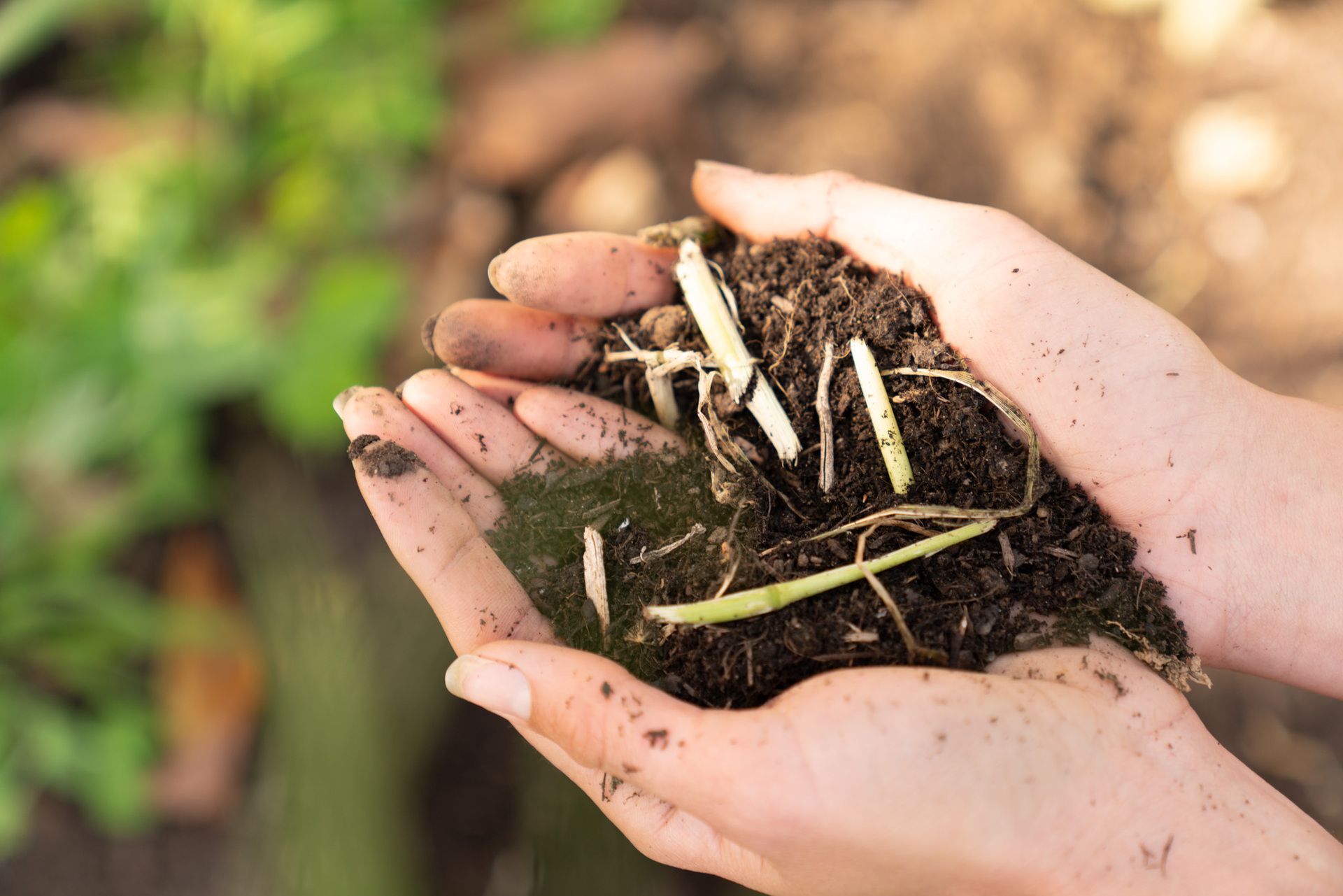 |
This Week’s Human Interest Stories
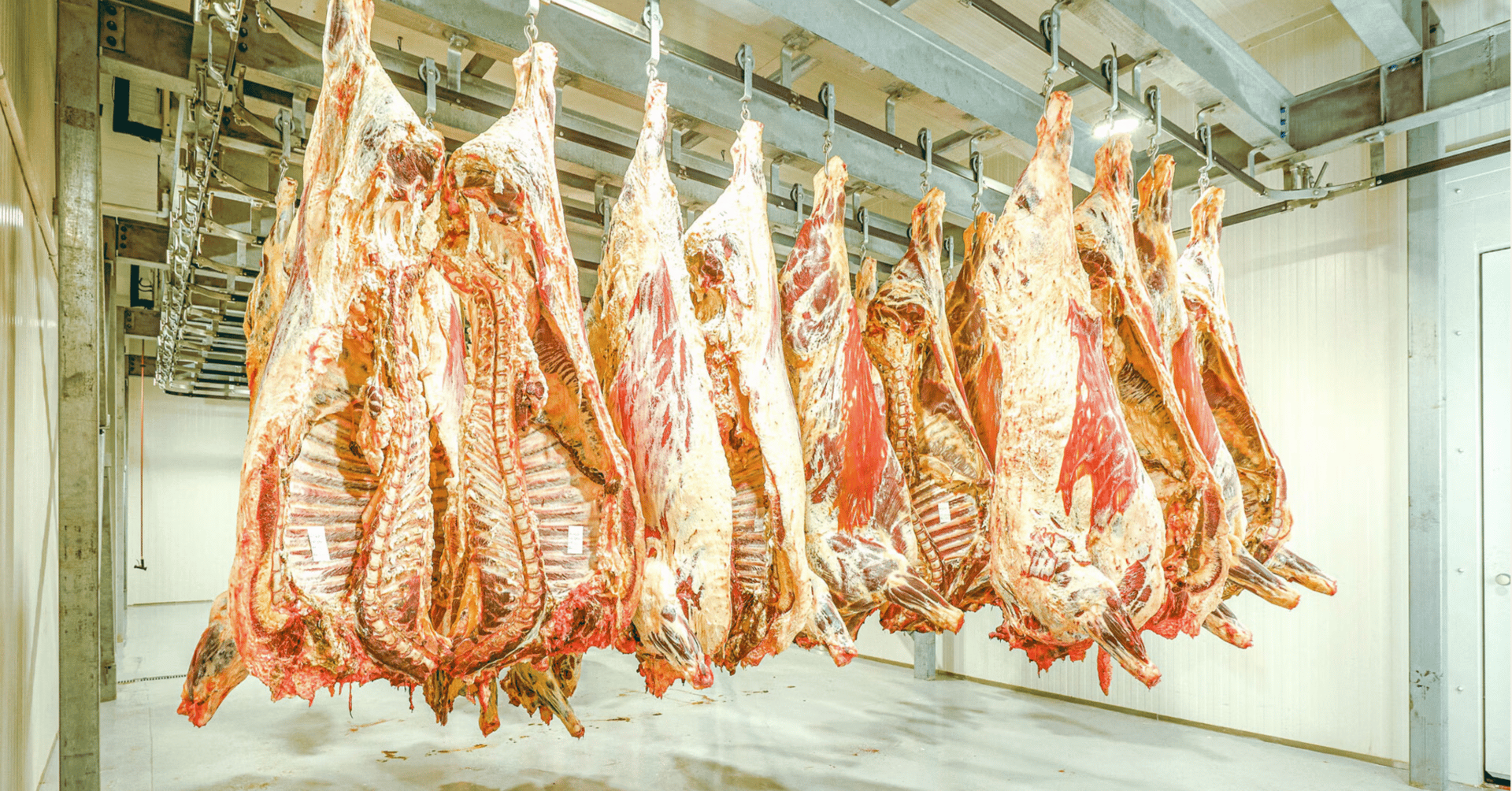
Photo By Three Rivers Meat Company
Food Sovereignty Means Taking Back the Slaughterhouse
Ambrook profiles Native nations in the Northern Plains and Upper Midwest who are reclaiming control over meat processing after generations of dependence on distant, non‑Native plants. Tribes are building or expanding their own small USDA‑ or state‑inspected facilities, training butchers, and reviving buffalo and cattle programs so animals are raised, slaughtered, and eaten within the community—aligning food sovereignty with cultural revival and economic resilience. These projects face serious hurdles—financing, inspection rules, labor, and the sheer cost of modern equipment—but they also reduce the vulnerability exposed when big packers shut down during COVID or reject local livestock. This story parallels the investment made by the Confederated Tribes of Umatilla in a joint venture with Cairnspring mills promoting bioregional grain production soverignty in the Pacific Northwest and shows a trend of indigenous communities going back to their traditional lifeways by investing in regenerative food soverignty after decades of living in government created food deserts.
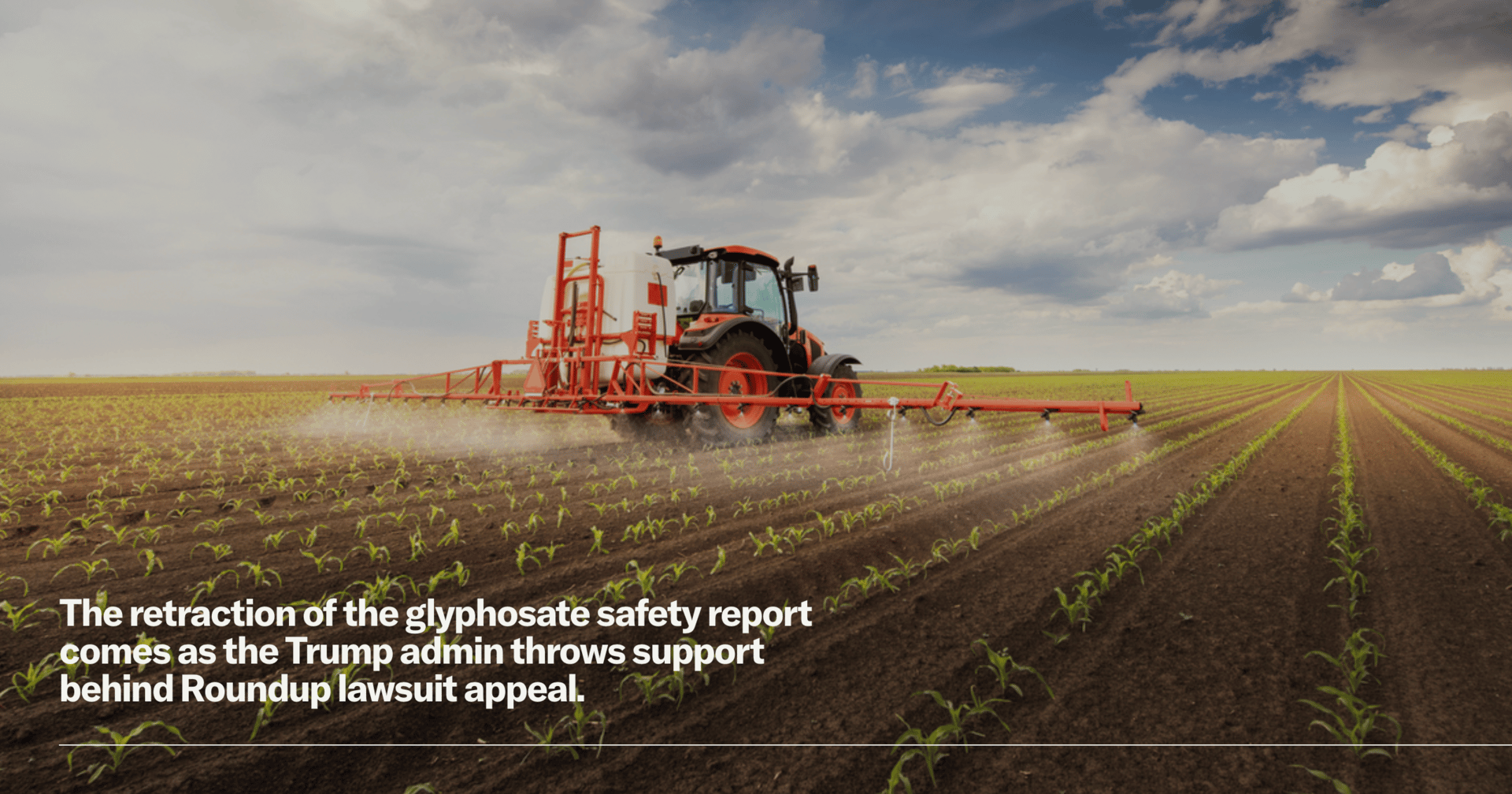
Photo By Ag Funder News
Glyphosate “Safety” Paper Retracted as Trump Backs Bayer Appeal
AgFunderNews details how a controversial 2019 paper in Critical Reviews in Toxicology—widely cited by Bayer and regulators to defend glyphosate’s safety—was abruptly retracted in 2025 via a “random” process that ignored years of documented industry ghostwriting and conflicts of interest. Internal Monsanto emails released in litigation had already shown company scientists heavily shaped the manuscript, yet the journal’s publisher Taylor & Francis framed the retraction as part of a neutral quality‑control sweep, not a response to scientific misconduct. At the same time, the Trump administration has filed a brief siding with Bayer at the Supreme Court, as CivilEasts reports, arguing federal pesticide labels should preempt state failure‑to‑warn claims from Roundup cancer victims potentially shutting down thousands of lawsuits if the Court agrees. Together, the retraction’s framing and the administration’s legal stance raise deep concerns about whose interests regulators and publishers are really protecting in one of the world’s most important pesticide debates.
Political + Policy News

Photo by USDA
USDA to Conduct 2025 Organic Survey Which Was Last Conducted in 2021
USDA’s National Agricultural Statistics Service (NASS) will conduct the 2025 Organic Survey as a special follow-up to the Census of Agriculture, mailing online survey codes in early December and full questionnaires in early January. The survey, last conducted in 2021, will collect detailed data on organic acerage, production, sales, and marketing practices, including operations transitioning to certified organic. Results, schediled for release on October 30, 2026, are intended to quantify the economic impact of organic agriculture and help producers, policymakers, and industry make better decisions.
REPORTS WORTH READING
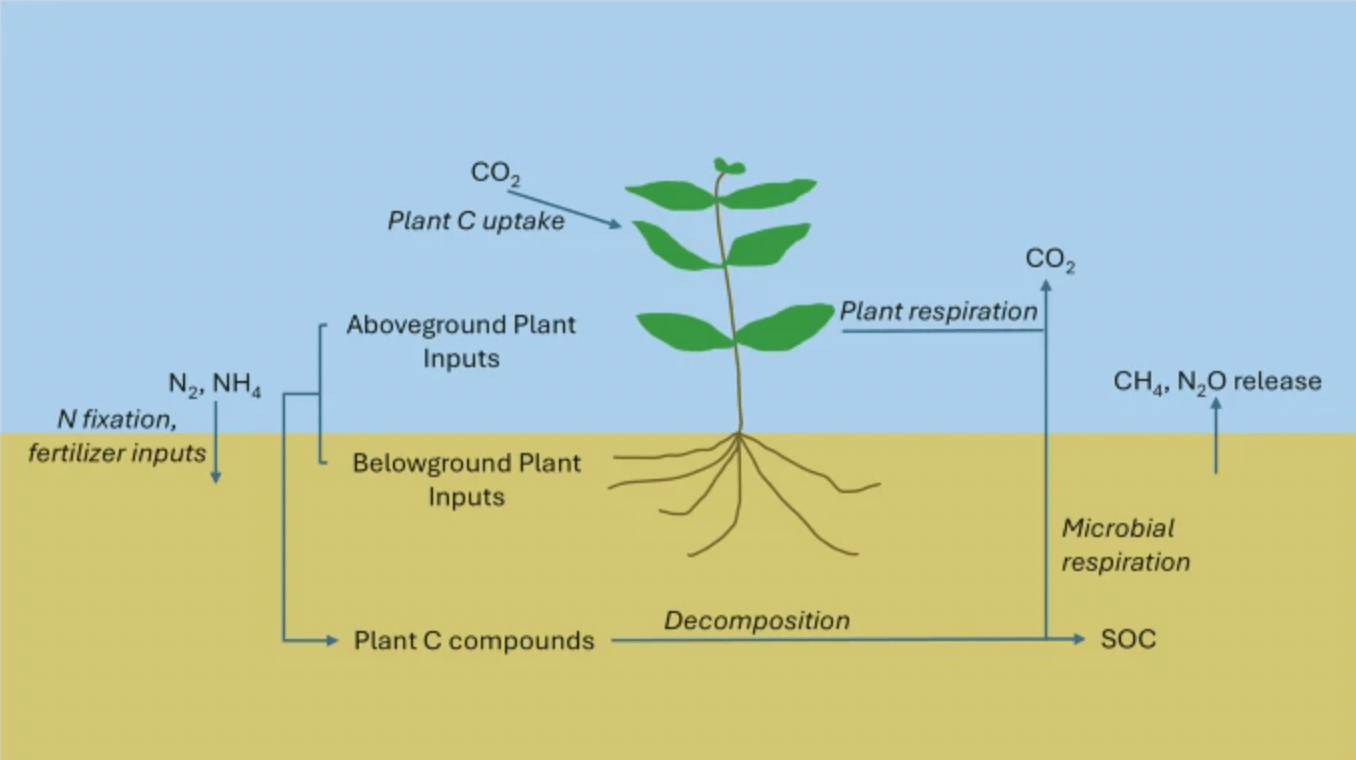
Photo By Nature.com
Food, Health, and Planetary Boundaries Need to Be Managed Together
A Nature Food perspective synthesizes global evidence showing that food systems are now the single largest driver of biodiversity loss, major sources of greenhouse gases, and key determinants of human health, yet policies still treat environment, agriculture, and nutrition in silos. The authors argue for integrated “food‑environment‑health” governance that simultaneously addresses dietary shifts (more whole plant foods, less red and processed meat and UPFs), production changes (agroecology, reduced synthetic inputs), and equity (access to healthy foods for low‑income populations). Without such integration, they warn, well‑intentioned interventions risk backfiring—like pushing biofuels that worsen deforestation or climate‑only solutions that ignore nutrition and cultural dimensions.
Investment News
Horizon Buys Maple Hill to Consolidate Organic Dairy Power
Horizon Family Brands (home to Horizon Organic and Wallaby) has acquired Maple Hill Creamery, one of the pioneers in 100% grass‑fed organic dairy, in a bid to strengthen its leadership in the shrinking but strategically important organic milk category. Maple Hill brings a network of small and mid‑sized Northeast family farms, a strong grass‑fed claim, and a loyal consumer base, while Horizon brings capital, national distribution, and a broader branded portfolio. The deal is framed as a way to “stabilize” and grow organic dairy after price shocks and consolidation, but it also raises the perennial question: can mission‑driven, farmer‑centric brands maintain identity and farm relationships inside larger corporate structures?
Photo By Motley Fool
How CPGs Can Finance Sustainable Agriculture Without Leaving Farmers Behind
An EDF Business report lays out four financing models consumer packaged goods companies can use to support sustainable agriculture in their supply chains: cost‑share and incentives, volume guarantees, low‑cost capital, and outcome‑based payments. Case studies from PepsiCo, General Mills, and Danone show that when CPGs co‑invest in practices like cover crops and reduced tillage—rather than just setting goals—farmers are more likely to adopt and stick with changes, especially if programs are multi‑year and de‑risk agronomic and market uncertainty. The report stresses that successful models are built with farmers, not for them: they respect farmer autonomy, provide clear ROI, use trusted intermediaries, and avoid one‑off pilots that disappear once the press release is out. For CPGs serious about climate and nature targets, shifting from marketing budgets to real, farmer‑facing finance is presented as non‑negotiable.
TECH
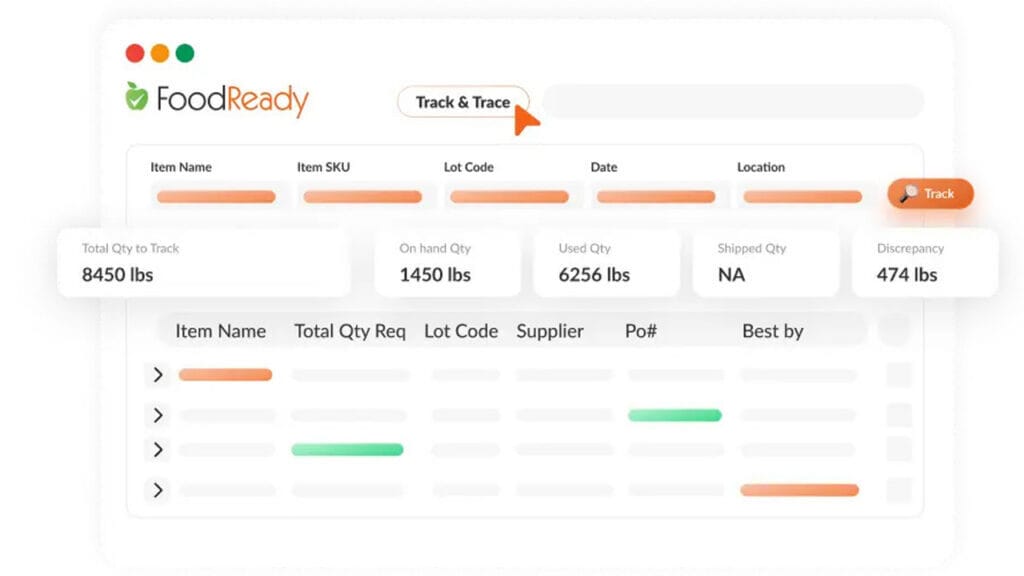
Image: Perishable News
Food Ready’s AI Traceability System Now Live in Hundreds of Plants
FoodReady has deployed its AI‑powered traceability and compliance system in hundreds of food manufacturing facilities worldwide, helping companies automate hazard analysis, recall readiness, and regulatory documentation. The platform integrates supplier data, production records, and testing results so brands can quickly trace ingredients and finished goods—critical as regulators and retailers tighten expectations on food safety and provenance. By lowering the cost and complexity of robust traceability, tools like this can make it easier for smaller brands and co‑packers to meet the same standards as multinationals, and to credibly back claims like “regenerative,” “non‑UPF,” or “glyphosate‑free.”

Photo by iGrow News
CarbonZero Eco Backs On‑Farm Carbon and Biodiversity Measurement
CarbonZero Eco is scaling a tech platform that measures and verifies on‑farm carbon sequestration and biodiversity metrics, then connects farmers with buyers seeking high‑quality nature‑based credits and low‑carbon commodities. Using remote sensing, soil sampling, and agronomic modeling, the system aims to reduce MRV (measurement, reporting, verification) costs while giving producers actionable insights into how practices like cover cropping and rotational grazing affect both ecology and potential revenue. The company pitches itself as a bridge between climate finance and real farms, but long‑term credibility will hinge on conservative baselines, transparent methodologies, and ensuring farmers—not just intermediaries—capture a meaningful share of the value.
CONSUMER PRODUCTS
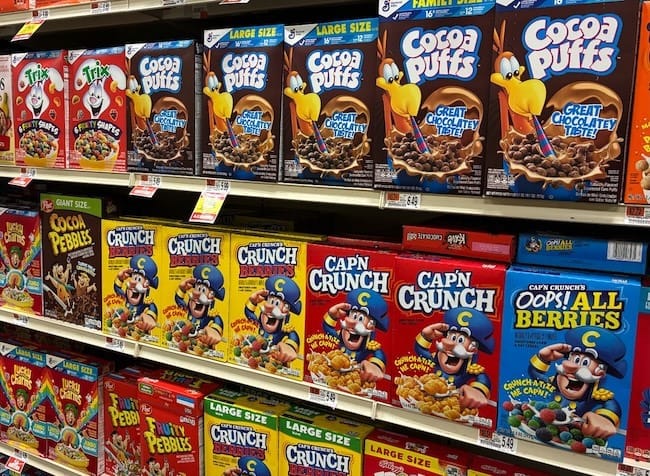
Photo by Organic Insider
Landmark UPF Lawsuit Compares Big Food’s Tactics to That of Tobacco Companies
San Francisco has filed the first government lawsuit against ultra-processed food (UPF) manufacturers, accusing giants like Coca-Cola, PepsiCo, Kraft Heinz, Post, and General Mills of driving diet-related disease and dumping health costs onto cities. The case leans on a 2024 global review linking UPFs to damage in every major organ system and CDC data showing 55% of U.S. calories—and nearly 62% for kids—come from UPFs, many loaded with emulsifiers, stabilizers, colorants, engineered sugars, and other additives now partially codified in California’s AB 1264 school UPF law. Organic Insider argues this is a generational opening for organic and “non‑UPF organic” to differentiate around transparency, traceability, and federally regulated ingredient standards, especially if discovery reveals internal documents showing companies intentionally engineered hyper‑palatable, low‑cost products at the expense of children’s health.
Photo By New Hope
Zēgo Builds a Regenerative, Gluten‑Free Grain Supply Chain from the Ground Up
Zēgo founder Colleen Kavanagh is rebuilding the gluten‑free grain supply chain around regenerative, identity‑preserved oats and other grains that are both safer for people with celiac and better for the soil. After discovering widespread glyphosate residues and gluten cross‑contamination in conventional and “certified gluten‑free” products, Zēgo began contract‑growing and testing every batch for over 400 agricultural chemicals and allergens, while sourcing from farms using cover crops, diverse rotations, and reduced tillage. The brand’s model—transparent testing, farm‑level relationships, and regenerative practices—shows how CPGs can de‑risk supply chains and create real differentiation without leaning on vague “natural” claims. Kavanagh’s long‑term goal is to create enough demand to help farmers transition more acres to regenerative gluten‑free grains, proving that niche dietary needs can be aligned with large‑scale soil health gains.
World News
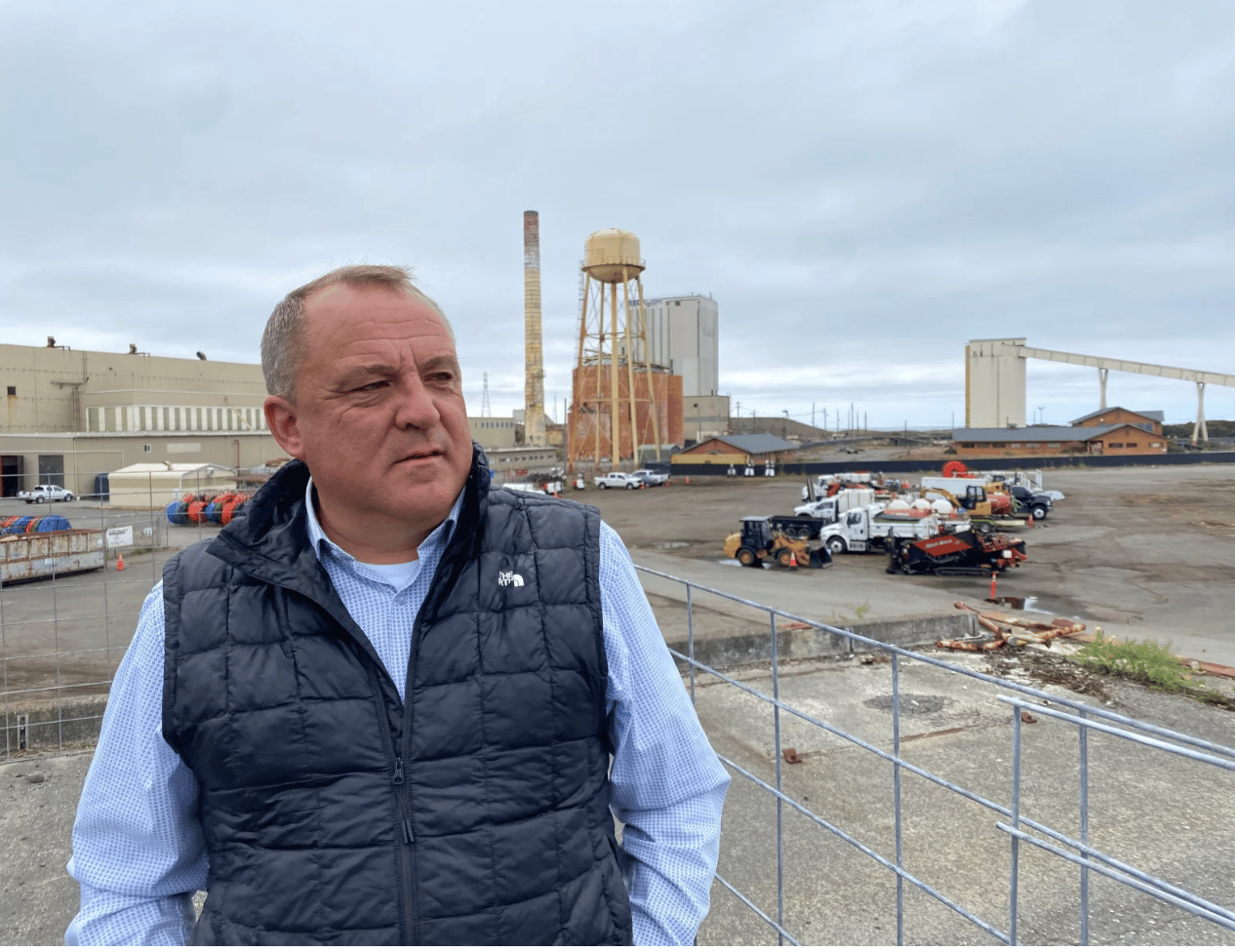 Photo By NPR China and the U.S. Race on Renewables While Emissions Remain HighNPR reports that both China and the U.S. are installing record amounts of wind and solar, yet overall emissions remain stubbornly high because fossil fuel use hasn’t fallen fast enough and energy demand keeps growing. China is adding more renewables capacity annually than the rest of the world combined, but is also still permitting new coal plants; the U.S. is expanding clean energy under the Inflation Reduction Act while grappling with grid bottlenecks and political backlash. The piece underscores that the climate outcome will hinge not just on how fast renewables scale, but how quickly coal, oil, and gas are actually phased down in both superpowers. |  Photo By France 24 EU‑Mercosur Deal: Ag Community Weighs the StakesA discussion thread on Reddit breaks down what the proposed EU‑Mercosur trade deal could mean for farmers, forests, and food systems on both sides of the Atlantic. Commenters highlight fears that cheaper South American beef and soy could undercut European farmers and incentivize further deforestation, even with proposed safeguard clauses and deforestation regulations. Others note potential opportunities if the deal is tied to strong environmental and labor standards, but the consensus is that without enforceable protections, the agreement risks deepening industrial monocultures rather than supporting agroecology and regenerative practices |
JOB BOARD
Soil Health and Grower Programs Manager
Adams Group, Hybrid, Arbuckle, CA
Black Church Food Security Network, Baltimore, MD
Friends of the Earth, Remote
American Farmlands Trust, Remote
Development and Communications Manager
Salted Roots - Oakland, CA / Hybrid
UPCOMING EVENTS
Soil and Climate Alliance 2026 Event Dates and Webinar’s are live!
MEGA List of 50 Food Systems Events to Attend in 2026
Register for the 2026 Soil Health Webinar Series!
Thursdays each month from January-April!
This is our last newsletter of the year! The biggest gift you could give us would be to share this edition with a like-minded friend. We will be back with our next edition in January. Happy Solstice!
This is a community-run platform. If you have an organization supporting the regenerative agriculture movement and would like to see your news shared on our platform, send an email to [email protected].
